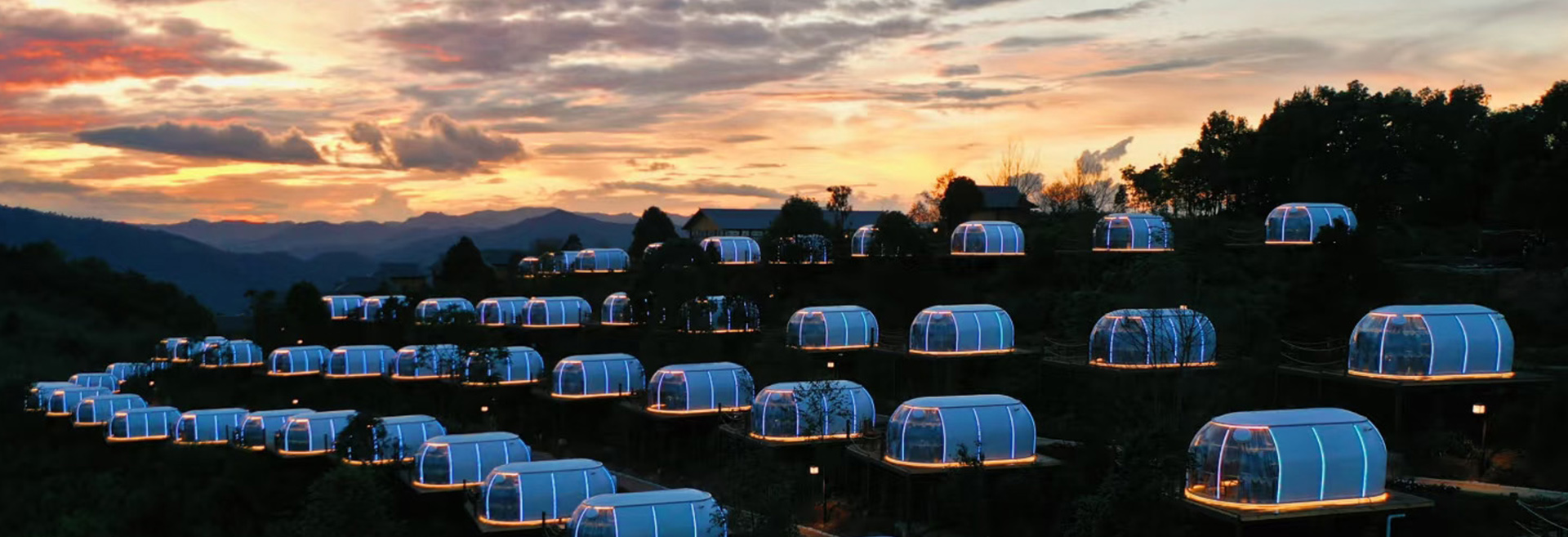
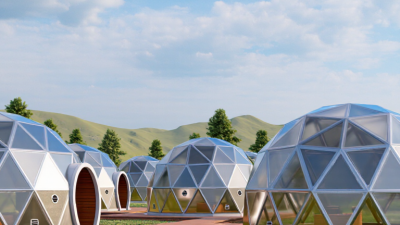
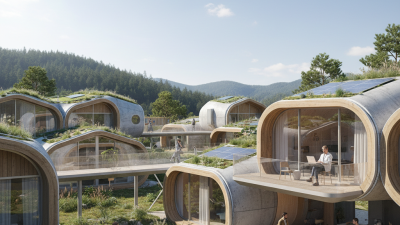
Choosing a four-person dome in 2026 isn’t just about counting beds. Sure, capacity matters, but your guests also need real rest, floor space they can actually use, decent airflow, and room to move without tripping over each other. The phrase “Dome Accommodate 4 Persons For Sleep.” should mean actual comfort—not just a marketing number. Grand View Research put the global glamping market at USD 3.43 billion in 2023, and it projected strong growth through 2030. Over at KOA, the 2024 North American Camping Report showed people are still keen on outdoor stays. So demand is growing. But honestly? Guest expectations are growing even faster.
Ruben Martinez, co-founder of the American Glamping Association, sums it up well: “Glamping combines the comforts of home with the beauty of nature.” That balance is exactly what you need to think about when comparing a 5m Dome with smaller models. A four-person layout should give you separate sleeping zones, some luggage clearance, and an entrance path that actually works. A queen bed might sleep two adults. But the other two sleepers need genuine space. Not a squeezed corner.
Look for published dimensions, fabric specs, ventilation details, and real-world weather testing. And check whether the floor plan includes furniture—not just empty interior volume. Reports from the American Glamping Association and the Outdoor Industry Association point to expanding professional standards in the sector, though demand data does vary by market. That uncertainty? Worth paying attention to. A dome can look super spacious in photos and then feel crowded once four suitcases show up. The best choice balances sleep capacity, climate control, maintenance, and guest experience. Measure twice. Then question the brochure.
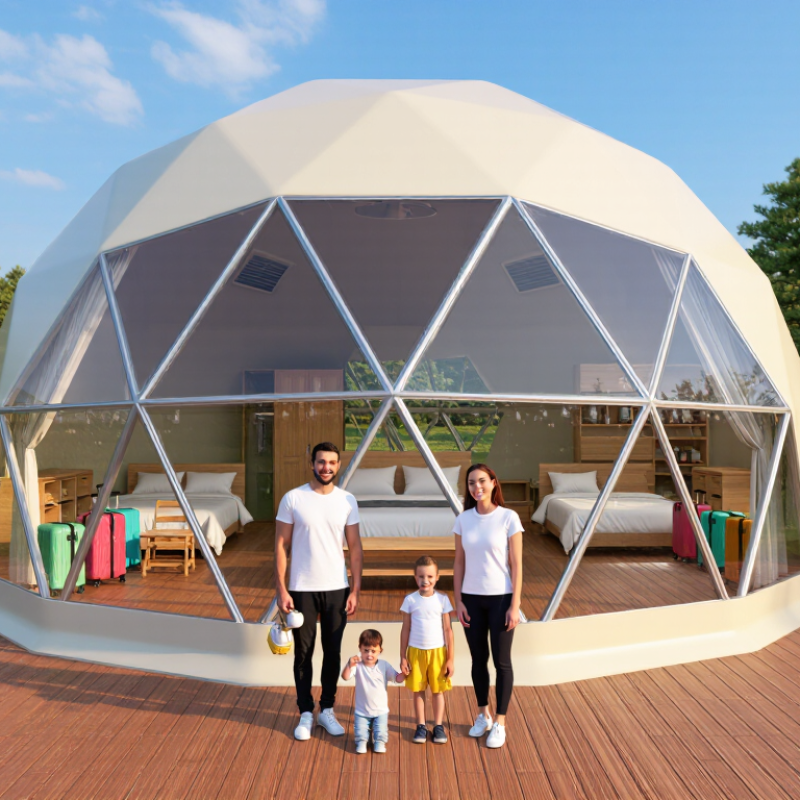
Choosing a Geo Dome for four people starts with a precise question: what does “sleeps four” actually include? It should mean four real sleeping spaces, not two beds plus a narrow sofa. Ask for mattress dimensions, bed height, and the number of pillows supplied. A 140-centimetre double bed may technically hold two adults, but it can feel crowded after a long hiking day. That distinction matters.
The 2024 North American Camping Report from Kampgrounds of America recorded 57.8 million camping households in 2023. More guests are seeking comfortable outdoor stays, but comfort depends on usable space, not headline capacity. Check the floor plan. Can four people open luggage without blocking the entrance? Is there a separate sleeping area, or does one guest sleep beside the kitchenette? Children may share a bed, while four adults usually need stronger privacy and better ventilation. A practical test is simple: place four 60-centimetre-wide sleeping positions on the plan, then add walking space around them. The result may expose an uncomfortable truth. Some domes “sleep four” only when guests accept sofa beds, limited storage, and early risers disturbing everyone. Confirm bathroom access, heating capacity, emergency exits, and the operator’s approved occupancy limit. The NFPA Life Safety Code treats occupant capacity as a safety matter, not merely a sales description. I would also request recent interior photographs. Floor plans can look generous. Real furniture rarely does.
A dome that “sleeps four” should provide four actual sleeping positions, while also leaving enough room for circulation, luggage, ventilation, and safe access to the entrance. The chart compares the mattress-only footprint of several four-person sleeping layouts.
All layouts provide four sleeping positions. Mattress footprints are calculated from standard U.S. mattress dimensions: Twin 38 × 75 in, Full 54 × 75 in, Queen 60 × 80 in, and King 76 × 80 in. The measurements exclude circulation space, furniture, luggage, and bathroom areas.
How to Choose a Dome That Sleeps 4 People?
Compare Dome Sizes, Layouts, and Sleeping Arrangements
A dome for four people should offer more than four sleeping spaces. Aim for at least 25–30 square meters of usable floor area. This allows room for beds, luggage, and movement. A compact dome may fit four mattresses, but it can feel crowded quickly. Check the interior height, too. A tall central area makes changing clothes and moving around much easier. From my experience, floor space near the entrance is often wasted, even when the sleeping area feels full.
Layout affects comfort as much as size. Two double beds suit families or close friends, but they reduce privacy. Four single beds provide clearer personal space and easier access at night. A bunk arrangement saves floor area, although the upper sleeper may experience more heat. Consider a central walkway, especially if children or older guests will use the dome. Keep beds away from the doorway to reduce drafts and morning disturbances. Some layouts look efficient on paper, yet feel awkward after bags and shoes enter the room.
Tips: Measure each mattress before choosing the dome. Leave at least 60 centimeters beside frequently used beds. Test the layout with chairs and luggage included. Ventilation matters. Four people produce noticeable heat overnight. A small planning mistake can become uncomfortable after two nights. I would also question whether four adults truly need four beds, because flexible space may be more valuable than maximum sleeping capacity.
2026 How to Choose a Dome That Sleeps 4 People?
Check Weather Resistance, Insulation, and Year-Round Comfort
A four-person dome needs more than a large floor plan. Check its waterproof rating, seam construction, and wind stability. Hydrostatic-head testing gives useful evidence, but it does not replace careful setup. A high rating can still fail when seams are poorly sealed. Choose a double-layer design with a full rainfly and protected entrances. The World Meteorological Organization reported that 2024 was likely the first calendar year above 1.5°C over the pre-industrial average. Weather planning matters more now. Cold air wins.
Insulation should reduce heat loss without trapping unhealthy moisture. The U.S. Department of Energy estimates that air leakage can represent 5% to 30% of building energy use. A dome is not a house, but the lesson remains practical. Seal lower drafts, then retain adjustable roof vents. Four sleepers release substantial moisture overnight. Without airflow, condensation may wet bedding by morning. Use a raised groundsheet, insulated sleeping mats, and a breathable inner canopy. Do not guess.
ASHRAE Standard 55 evaluates comfort through air temperature, radiant temperature, humidity, air speed, clothing, and activity. That means “all-season” comfort depends on more than insulation thickness. In a field check, sit inside for ten minutes with the doors closed. Notice cold floor edges, dripping fabric, and stale air. I would also leave headroom around four sleeping areas. Crowding improves warmth, perhaps, but it worsens condensation and movement. A slightly imperfect layout may perform better than a tightly packed one.
| Selection Factor | Basic Fabric Dome | Insulated Seasonal Dome | Engineered Four-Season Dome | Recommended Target for 4 People |
|---|---|---|---|---|
| Comfortable Interior Area | Approximately 8–12 m²; suitable for compact sleeping arrangements with limited storage. | Approximately 12–18 m²; allows four beds or two beds with practical living space. | Approximately 14–24 m²; provides space for beds, luggage, heating equipment, and circulation. | Choose at least 12 m² for sleeping four people comfortably, or 14–16 m² for year-round use. |
| Typical Sleeping Layout | Four single mattresses or two compact double beds. | Four single beds, bunk-style beds, or two double beds depending on the floor plan. | Four single beds or two double beds with a separated living or equipment zone. | Confirm the actual usable floor area rather than relying only on the dome’s external diameter. |
| Outer Cover Material | Coated polyester or canvas; lightweight and easier to install, but performance varies significantly. | UV-resistant PVC-coated polyester or multilayer fabric with reinforced seams. | Architectural membrane, reinforced PVC fabric, or a multilayer envelope designed for local climate loads. | Look for UV resistance, welded or sealed seams, repairable panels, and documented material specifications. |
| Water Resistance | Often suitable for rain when correctly tensioned; hydrostatic-head ratings commonly range from about 2,000–5,000 mm. | Usually provides stronger rain protection, with fabric ratings commonly around 3,000–10,000 mm where specified. | May use fully waterproof membranes and sealed or welded joints; drainage design is equally important. | Prioritize a continuous waterproof envelope, protected entrances, sealed penetrations, and positive site drainage. |
| Wind Resistance | Best for sheltered locations; anchoring and correct tensioning are critical. | Suitable for more exposed sites when properly anchored, but the certified wind limit must be checked. | Can be engineered for high-wind locations, with rated anchors, structural calculations, and tested connections. | Require a documented wind rating for the complete system, not just the covering or geodesic frame. |
| Snow and Ice Capability | Generally intended for light or temporary snow conditions; snow may need frequent removal. | Can handle moderate seasonal snow when the frame and supports are rated for the expected load. | Designed for local snow loads, with stronger frames, steeper load paths, and specified maintenance procedures. | Obtain a certified snow-load value in kPa or kg/m² based on the installation location. |
| Insulation Level | Low thermal resistance; fabric alone provides limited protection against cold or heat. | Typically uses quilted liners, reflective layers, or insulated panels; practical wall performance varies widely. | Usually includes continuous insulated panels or multilayer insulation with reduced thermal bridging. | For cold climates, target a complete wall-and-roof assembly around R-2.5–R-4.0 m²·K/W, subject to local code and heating design. |
| Floor and Ground Protection | Groundsheet or basic raised floor; cold and moisture can enter from below. | Raised timber, composite, or insulated platform with a moisture barrier. | Insulated floor assembly with a sealed perimeter, vapor control, and weather-protected access points. | For four-season comfort, select an insulated raised floor rather than placing beds directly on an uninsulated groundsheet. |
| Condensation Control | Condensation can be noticeable during cool nights, especially with four occupants. | Improved with roof vents, low-level air inlets, and a breathable inner liner. | Requires planned ventilation, vapor control, and balanced air exchange to prevent moisture accumulation. | Choose adjustable high and low vents; four sleeping adults can release several liters of water vapor overnight. |
| Ventilation and Air Quality | Basic vents or zip openings; heating may increase condensation if ventilation is inadequate. | Operable windows, roof vents, and insect screens are commonly available. | May support controlled mechanical ventilation, heat recovery, or dedicated bathroom and cooking exhaust. | Provide cross-ventilation plus high-level exhaust, while keeping combustion appliances separately vented. |
| Heating and Cooling | Heats and cools quickly but loses energy quickly because of limited insulation. | More stable indoor temperatures with a correctly sized electric, heat-pump, or approved solid-fuel system. | Best suited to continuous year-round occupancy with designed heating, cooling, and ventilation systems. | Size heating equipment after considering insulation, glazing, local design temperature, and air leakage. |
| Glazing and Doors | Single-layer windows and lightweight doors are common. | Double-layer panels or insulated windows may improve comfort and reduce condensation. | Double glazing, insulated doors, weather seals, and a covered entry can substantially improve winter performance. | Use weather-sealed openings and avoid locating beds directly beside large uninsulated windows. |
| Best Climate Use | Dry, mild, and sheltered locations; mainly spring through autumn. | Temperate climates and seasonal use with occasional cold or wet weather. | Cold, wet, windy, or snowy climates where year-round occupancy is expected. | Match the dome to the site’s wind, snow, rainfall, humidity, and temperature extremes. |
| Overall Choice for Four-Person Year-Round Comfort |
★★☆☆☆ Economical, but usually requires significant upgrades for winter use. |
★★★★☆ A practical choice for moderate climates and controlled seasonal operation. |
★★★★★ The strongest option when certified structural performance and all-season comfort are priorities. |
Select an engineered four-season dome with at least 12–16 m² of usable space, an insulated floor, documented wind and snow ratings, sealed openings, and planned ventilation. |
Important: Performance values are typical design ranges for comparison only. Actual weather resistance depends on the complete dome system, local building requirements, foundation, anchoring, installation quality, maintenance, and site exposure. Always verify certified wind and snow-load ratings before purchase.
Choosing a dome for four guests means checking facilities, not just admiring the view. A Sky Dome may look spacious, yet its floor plan can feel crowded after luggage arrives. Measure the sleeping area, walking space, and storage corners. Four separate sleeping surfaces are useful, especially when guests keep different schedules. A queen bed plus two narrow bunks may work, but adults need enough shoulder room.
The kitchen should support real meals. Look for a refrigerator, safe cooking equipment, clean water, plates, and four comfortable seats. A small sink matters more than decorative shelves. I once stayed in a dome with excellent scenery but only two cups. That detail became inconvenient quickly. Check heating and cooling controls before booking. Night temperatures can change sharply, even during mild seasons. Reliable insulation, a private bathroom, hot water, and strong ventilation improve comfort and hygiene.
Outdoor facilities also deserve careful attention. Four chairs, a stable table, and useful lighting make evening time easier. A covered entrance protects shoes and luggage from rain. Check whether the path is level and well lit. Families may also need child-safe railings and enough space for movement. Some listings describe a dome as suitable for four people, but that may mean four sleeping spots only. Read the actual dimensions and facility list. If information is unclear, ask for photographs and measurements. Small omissions can affect the whole stay.
Choosing a dome that sleeps four people starts with the land, not the bed count. Measure the access route before ordering materials. A narrow gate, soft soil, or a sharp bend can stop delivery vehicles. Carrying panels by hand is possible, but it adds time and labor. Leave space for unloading, assembly, and emergency access.
Privacy also changes the comfort of a four-person dome. Walk around the proposed site at different times of day. Check nearby paths, houses, windows, and seasonal vegetation. Young trees may look private now, but they will not block sightlines immediately. Use natural screening where possible, while keeping doors and windows easy to reach. A Spa Dome needs a thoughtful position, especially if steam, conversation, or outdoor bathing could disturb others.
Study the surrounding environment closely. Morning sunlight can warm the interior, while exposed western light may create uncomfortable heat. Strong wind, falling branches, standing water, and insects deserve attention. Test the ground after rain, not only on a dry afternoon. That detail is easy to miss. I would also question beautiful but isolated locations; poor access can make maintenance frustrating. Check drainage, utility routes, local planning requirements, and safe walking surfaces before committing. A good layout may still need revision after one night outdoors.
A dome advertised for four should provide more than four sleeping spaces. Check the floor area after adding bags, shoes, and ventilation clearance. During a trial setup, I found that four mats quickly blocked the doorway. That small detail matters during an emergency. Look for two usable exits, fire-resistant materials, secure zippers, and visible ventilation panels. Strong anchoring points are essential on exposed ground. Never rely on weight alone when wind conditions change. A carbon monoxide detector is sensible when heating equipment is used nearby, but cooking inside remains unsafe.
Setup should suit the site and your available help. Choose level ground without loose branches, flood channels, or sharp stones. Clear the footprint carefully. Two adults can usually position the frame more accurately than one person. Read the instructions before arrival, then practice once in daylight. I once rushed this step and left a support joint partly locked. It held briefly, but I would not repeat that mistake. Confirm the packed size, total weight, tool requirements, and weather limits before purchasing.
Maintenance begins after every trip. Dry the dome completely, including corners and door flaps, before storage. Inspect seams, poles, anchor straps, and mesh for tiny tears. Clean mud with mild soap and cool water. Harsh chemicals may weaken protective coatings. Check the floor for pinholes by holding it toward soft light. Replace damaged parts early, especially before wet or windy weather. Store the shelter loosely in a dry place, not compressed for months.
2026 How to Choose a Dome That Sleeps 4 People?
A Poly Dome for four guests should offer more than four sleeping spaces. During a recent stay, I checked mattress width, floor space, ventilation, and nighttime noise. A low price looked attractive, but the narrow beds made movement uncomfortable. Measure the interior carefully. Two adults and two children need room for luggage, shoes, and a small table.
Compare the complete price, not only the advertised nightly rate. Ask whether breakfast, heating, bedding, parking, and cleaning are included. A dome costing $180 per night may provide better value than a $140 option with extra service charges. Check the deposit amount and refund schedule in writing. Weather policies also matter, especially for winter bookings. Some properties allow date changes during severe conditions, while others offer limited refunds.
Read the occupancy policy closely. “Sleeps four” might mean two beds and a sofa, which is not equally comfortable for every guest. Confirm check-in times, quiet hours, bathroom access, and accessibility before paying. I once overlooked a shared bathroom distance, and that mistake affected the whole experience. Reviews can reveal recurring problems, but they are not perfect evidence. Look for recent comments describing actual room conditions, staff responses, and policy enforcement. The best choice depends on honest details, not polished photographs.
It should provide four genuine sleeping spaces. Ask about mattress sizes, bed height, and pillows. Two beds and a narrow sofa may feel crowded.
Aim for about 25–30 square metres of usable floor area. You need room for beds, luggage, shoes, and movement. Four mattresses alone are not enough.
Two double beds suit families or close friends. Four single beds offer more personal space. Bunk beds save floor area, but upper beds may feel warmer.
A floor plan shows whether luggage blocks the entrance. Place four 60-centimetre sleeping positions on it. Then add walking space around each bed.
Check ventilation, heating, bathroom access, emergency exits, and storage. Four people create noticeable heat overnight. A small window can matter.
Compare the complete cost, not only the nightly rate. Check bedding, heating, breakfast, parking, cleaning, deposits, and refunds. A cheaper room may cost more later.
Read occupancy limits, check-in times, quiet hours, and weather rules. Confirm whether date changes or refunds apply during severe conditions. Get important details in writing.
They can help, but they are imperfect evidence. Request recent interior photographs. Read comments about real room conditions, noise, and staff responses.
Not necessarily. Four adults may need privacy, wider beds, and better ventilation. I once focused too much on capacity, and the layout felt awkward.
Choosing a dome that can comfortably accommodate four sleepers requires more than checking the advertised capacity. First, clarify whether “sleeps four” means four separate beds, a shared sleeping platform, or a combination of beds and convertible furniture. Compare the dome’s floor area, layout, headroom, and privacy options, while considering insulation, ventilation, weather resistance, and year-round temperature control. A practical design should also provide enough lighting, power, storage, seating, and sanitary facilities for everyone.
Before making a decision, examine road access, parking, outdoor space, noise levels, and the surrounding environment. Safety features, secure entrances, fire precautions, setup requirements, and maintenance needs are equally important, especially for long-term or seasonal use. Finally, compare the total price with included facilities, cleaning fees, deposits, cancellation terms, and support services. A well-planned Dome Accommodate 4 Persons For Sleep should balance comfort, durability, privacy, convenience, and overall value rather than focusing only on size or appearance.