+86 159 8678 2622(WhatsApp)

 Project
Leave Your Message
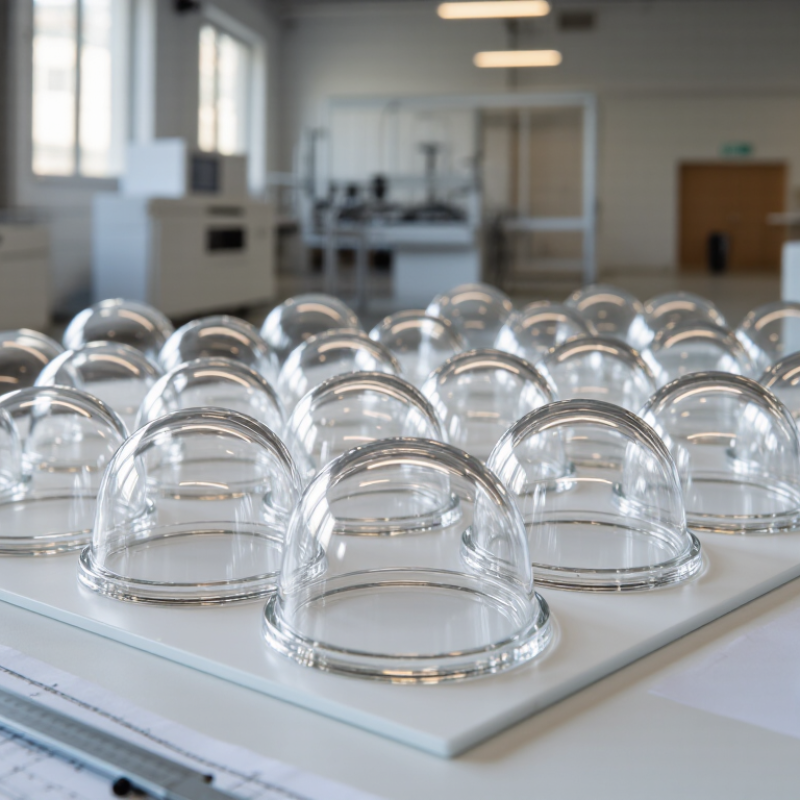
Picking the right China Top Transparent Small Dome supplier? It’s actually more involved than just checking out prices or browsing slick product photos. You want a partner who really knows their stuff—someone with solid manufacturing experience, reliable material control, and clear, straightforward communication right from the get-go. Sure, these small domes might look simple, but their performance depends a lot on the quality of acrylic or polycarbonate used, how accurately they’re molded, the sealing methods, and surface protection measures.
A trustworthy factory should be willing to walk you through their production process in plain language—no jargon. Ask about things like material thickness, how well they transmit light, UV resistance, impact strength, and what diameters are available. It’s also a good idea to request dimensional drawings, recent samples, and inspection reports before you place an order. Sometimes, tiny details can make a big difference—an uneven edge could mess with installation, and weak packaging might lead to scratches during shipping. Good suppliers should also explain how they handle tolerances, cleaning procedures, labeling, and how they deal with replacement claims.
Don’t forget to look for concrete proof of their capabilities. Clear workshop photos, documented quality procedures, quick-reacting engineers, and consistent sample results all count. Certifications are helpful, but don’t just rely on those—they need to match the actual product and your specific needs. They’re not a free pass to excellence, obviously. No supplier is perfect, so it’s smart to do some homework.
When you’re comparing options, take a look at lead times, customization possibilities, export experience, and after-sales support—all together. Transparent Small Dome uses can vary widely—they might be for displays, lighting covers, optical equipment, educational models, or architectural features—and each application has its own testing and material requirements. Remember, the cheapest option isn’t always the best. The real winner is the one who’s honest about limitations, maintains quality, and backs up their claims with solid evidence.
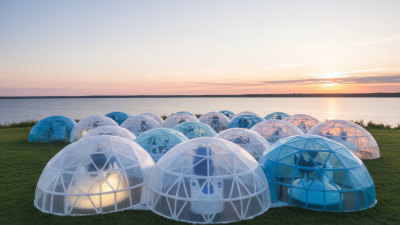
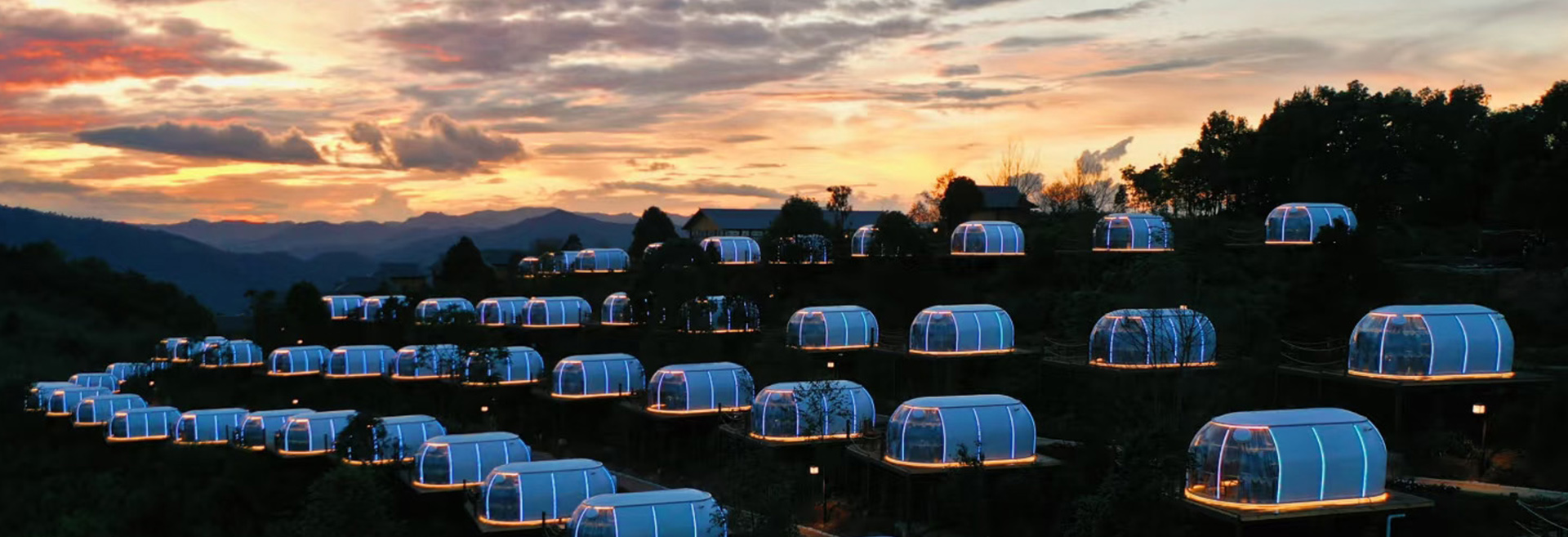
A transparent small dome is a compact shelter with a curved, light-transmitting exterior. Its shape usually comes from an air-supported membrane, rigid panels, or a flexible frame. The design creates an open view while protecting users from wind, rain, and dust. It is not simply a clear room. The shell, seams, entrance, ventilation, and anchoring system all define its performance.
A Small Bubble Tent often uses transparent PVC or TPU fabric with reinforced edges. These materials can provide visibility, flexibility, and moderate weather resistance. In practical installation checks, I look for even tension, sealed joints, strong zippers, and stable ground anchors. Small details matter. A poorly placed vent may cause condensation inside. Excessive sunlight can also raise indoor temperatures quickly. Shade panels or adjustable airflow may be necessary.
For buyers comparing a China-based transparent small dome supplier, technical evidence is more useful than attractive photos. Request material thickness, light-transmission data, pressure recommendations, fire-performance information, and repair guidance. Ask how the structure handles repeated assembly. A reliable supplier should explain limitations clearly, not promise perfect performance in every climate. I would also inspect sample seams before ordering. They can reveal uneven welding, weak stitching, or careless finishing. Some transparent surfaces may develop scratches during transport. That risk deserves practical packaging and inspection procedures.
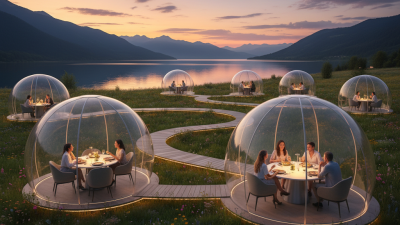
The 16㎡ Eco Lux Dining Dome is designed for restaurants and cafés seeking a comfortable, distinctive way to expand outdoor seating. With capacity for 12–15 guests, its spacious interior supports shared dining, private events, and seasonal service while providing protection from changing weather. The dome’s enclosed design helps create a cozy atmosphere without sacrificing the visual appeal of an open-air setting, allowing operators to make better use of patios, terraces, and garden areas.
Insights commonly highlighted in Grand View Research and Deloitte reports point to growing interest in sustainable hospitality, flexible dining formats, and experiences that combine comfort with memorable design. This dome responds to those priorities through an adaptable structure that can support extended seating capacity and encourage longer guest visits. Its eco-conscious positioning also helps restaurants communicate responsible design choices, particularly to diners who value environmental awareness alongside quality service.
For operators, the dome can function as an independent dining room, a premium reservation space, or an event setting with minimal disruption to the main venue. The 12–15-person layout encourages efficient table planning while maintaining a sense of privacy and spaciousness. With suitable lighting, ventilation, furnishings, and seasonal décor, the structure can be tailored to different culinary concepts and used throughout much of the year.
PMMA provides strong clarity and weather resistance. Polycarbonate offers better impact strength but may scratch more easily. Choose according to exposure, impact risk, and viewing needs.
Certificates should identify the resin grade, batch number, and basic optical properties. Request documents matching the actual production batch. Paperwork without traceability is weak evidence.
A sample can reveal haze, bubbles, weld lines, and uneven thickness. Inspect it under direct, consistent lighting. A clear sample can still have a poor-fitting base.
Controlled heating, clean molds, and stable cooling reduce distortion. Suppliers should define tolerances for diameter, height, flatness, and mounting holes. Small rim defects often indicate molding stress.
Check dimensions, transparency, wall thickness, scratches, bubbles, and assembly fit. Additional tests may examine impact resistance, ultraviolet aging, and temperature cycling. Repeatable inspection fixtures improve consistency.
Confirm CAD drawings, dome size, wall thickness, mounting method, viewing angle, holes, and surface finish. Packaging protection also matters during transport. A perfect drawing cannot rescue unsuitable material.
Review the exact product scope, test methods, validity, and inspection records. A quality-system certificate shows process structure, not flawless products. Ask how failed results trigger corrective action.
Request dimensional reports, material records, batch traceability, and final inspection limits. Inspect the gate area and rim under changing light. I would not trust photographs alone. Mistakes still happen.
A Transparent Small Dome is a compact, light-transmitting structure designed to provide visibility, protection, and controlled environmental conditions. It can be used in architectural lighting, observation equipment, security systems, industrial instruments, product displays, and specialized enclosures. Common materials include acrylic, polycarbonate, glass, and other engineering plastics, selected according to optical clarity, impact resistance, weather performance, and temperature requirements. Manufacturing should follow consistent molding, forming, machining, and surface-finishing procedures to ensure accurate dimensions and a smooth, uniform appearance.
When evaluating Chinese dome suppliers, buyers should review production capacity, technical expertise, quality-control procedures, delivery reliability, and experience with similar projects. A suitable supplier should support customization in size, thickness, color, transparency, mounting structure, and surface treatment. Important selection criteria also include material traceability, dimensional inspection, optical testing, protective packaging, and clear communication. Certifications and compliance documents should be verified according to the product’s intended market and application. By comparing samples, inspection reports, production standards, and after-sales support, customers can select a dependable supplier for consistent quality and long-term cooperation.