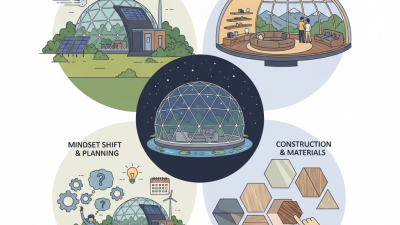
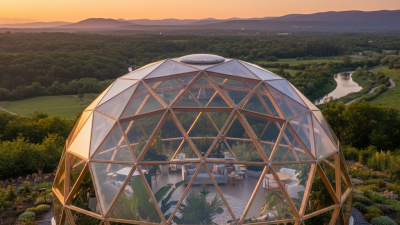
Have you seen the Moon Dome House? It's really been making waves in the world of sustainable living lately. I was reading some insights from Dr. Emily Carson over at Eco Innovations, and she said something pretty interesting—she believes living in a Moon Dome could actually change how we connect with nature and think about sustainability. These homes are not only eco-friendly in their design but also pack energy-efficient tech that’s pretty cool.
But honestly, it’s not just about how they look. Moon Dome Houses make you stop and think about reimagining what a home can be. They’re built using renewable energy sources and eco-friendly materials, which is a big plus. Of course, there are some challenges, like how well they work in different climates—some folks wonder if they’re practical everywhere.
And even though a lot of people are drawn to their unique look, there are a few hurdles. For one, fitting them into existing building codes can be a real headache. Plus, the upfront costs might scare some potential owners off. But in the long run, the savings on energy bills and the environmental benefits might actually make it worth considering. All in all, the Moon Dome House kind of makes you think about how we can live better in harmony with the planet, right?
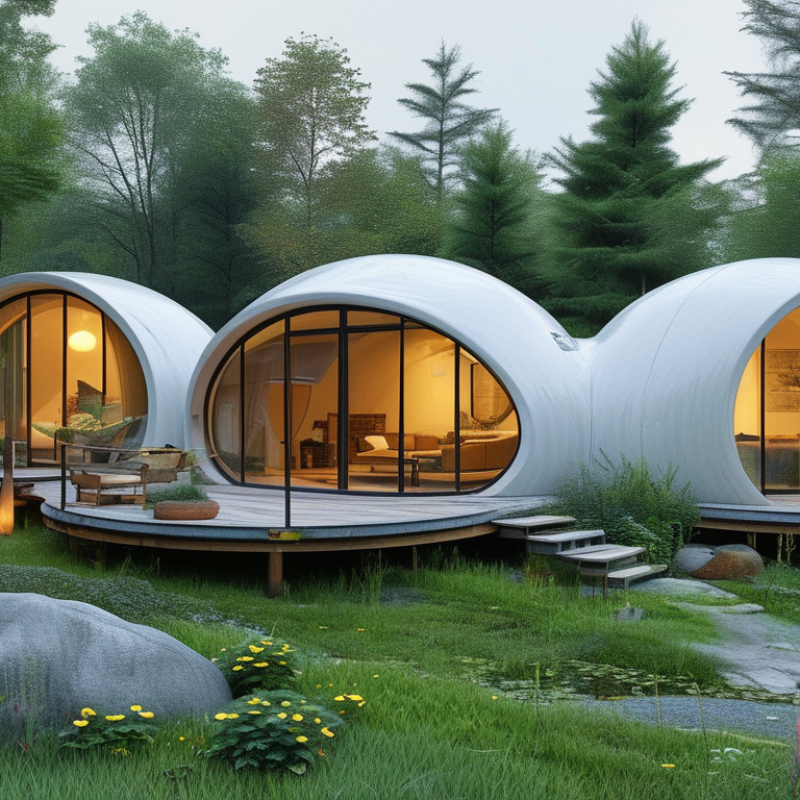
Understanding the Concept of Moon Dome House in Sustainable Living
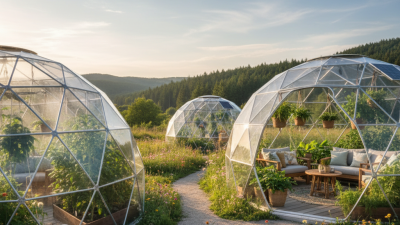
The Moon Dome House concept blends modern living with sustainable practices. Its unique structure resembles a dome, providing exceptional energy efficiency. This shape allows for optimal sunlight capture and natural ventilation. Homeowners enjoy reduced energy costs while minimizing their carbon footprint.
Building a Dome House requires thoughtful planning. Materials must be eco-friendly and locally sourced. This practice supports the environment and local economies. However, finding the right materials can be challenging. Some may find traditional builders hesitant to adopt these innovative designs. This provides an opportunity for learning and collaboration. Engaging with sustainable architects can yield incredible results.
The interior design of a Moon Dome House is just as important as its structure. Open floor plans maximize space while fostering a sense of community. Incorporating natural light creates a warm atmosphere. Yet, some designs may lack privacy. Residents must consider their lifestyle needs when planning these spaces. Continuous adaptation and feedback can enhance the living experience in a Dome House.
Key Features of Moon Dome House for Eco-Friendly Lifestyles
The Moon Dome House presents an innovative approach to sustainable living. Its unique design emphasizes energy efficiency and minimal environmental impact. Research from the U.S. Department of Energy shows that unconventional structures, like dome homes, can reduce heating and cooling costs by up to 50%. This reduction in energy usage leads to lower carbon emissions, making a significant contribution to eco-friendly lifestyles.
Key features of the Moon Dome House include its ability to use renewable energy sources. Solar panels can be seamlessly integrated into the structure, promoting energy independence. According to a study by the National Renewable Energy Laboratory, homes that incorporate solar technology can save homeowners thousands over their lifetimes. This resonates well with the growing demand for energy-efficient homes.
The dome's aerodynamic shape also enhances wind resistance, which is crucial in storm-prone areas. Yet, challenges remain. The limited availability of construction materials in some regions can hinder widespread adoption. Moreover, the initial building costs may deter potential buyers. While the Moon Dome House offers numerous benefits, careful consideration must be given to local regulations and climate conditions.
Energy Efficiency and Renewable Energy Integration in Moon Dome Houses
Moon Dome Houses offer an innovative approach to energy efficiency. Their unique structure reduces heat loss in winter and minimizes overheating in summer. This efficient thermal performance can lead to up to 40% energy savings compared to conventional homes. Solar panels can be seamlessly integrated into the dome structure. Studies indicate that this combination can cover about 70% of a household's energy needs.
The materials used in Dome House Prefab designs often include recycled and sustainable resources. A recent report showed that homes built with sustainable materials produce 50% less carbon footprint over their lifetime. These eco-friendly homes support modern renewable systems like wind turbines and solar energy. They enable homeowners to harness clean energy effectively.
However, challenges remain. Not all regions may support Dome House construction due to zoning laws. Additionally, initial costs might be higher despite long-term savings. Many prospective homeowners express concerns about aesthetic integration into traditional neighborhoods. Balancing sustainability with community acceptance is crucial.
The Role of Moon Dome Houses in Reducing Carbon Footprint
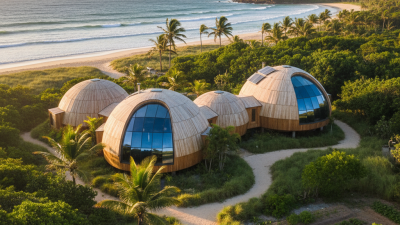
Moon Dome Houses offer a unique design that promotes sustainable living. Their rounded shapes optimize energy efficiency. This design allows for better airflow and natural light, reducing reliance on artificial heating and lighting. The materials used can often be recycled, which minimizes waste. Additionally, these homes typically use less land, maintaining natural habitats and promoting biodiversity.
The impact on carbon footprints is significant. By using renewable energy sources, such as solar panels, residents can lessen their environmental impact. Water collection systems integrated into the structure help conserve vital resources. Many people find it appealing to live in these homes. Yet, challenges exist. The initial cost of building can be higher, and understanding sustainable practices may require effort.
The Modular Dome House is designed for flexibility. This makes it easy to adapt to changing needs or family sizes. However, it might not fit every lifestyle or climate. Some may struggle with conventional interior design preferences. Awareness and education about these unique homes can enhance their appeal. Sustainable living in Moon Dome Houses is a journey, not a destination.
Benefits of Moon Dome Houses for Sustainable Living
The chart above illustrates the various benefits of Moon Dome Houses, highlighting their significant contributions towards sustainable living. The scores represent the effectiveness of each benefit, with energy efficiency being the highest, showcasing its pivotal role in reducing carbon footprints.
Benefits of Using Sustainable Materials in Moon Dome House Construction
The concept of the Moon Dome House invites innovative sustainable living. By incorporating sustainable materials, the construction process becomes more eco-friendly. Using recycled metals and natural stones creates a reduced carbon footprint. These materials enhance thermal efficiency, ensuring comfort without excessive energy consumption.
Natural materials like bamboo and rammed earth provide structural integrity. They are not only durable but also biodegradable, reducing waste in landfills. However, sourcing these materials can be challenging. Some areas lack local availability, leading to higher transport emissions. It's essential to weigh these drawbacks when planning.
Embracing sustainable materials fosters a deeper connection with nature. The tactile experience of living in a home made from these resources can be profound. Yet, it's crucial to continuously evaluate the life cycle of materials. This ensures true sustainability, beyond the initial construction phase. Thoughtful choices shape the future of our living environments and the planet.
Community Building and Social Sustainability in Moon Dome Living
Moon Dome living offers a unique approach to community building. Residents often gather around shared spaces. These areas foster interactions and friendships. The design encourages collaboration and participation. There’s something special about living in a communal space. It creates a sense of belonging.
Social sustainability thrives in Moon Dome communities. People share resources, from tools to ideas. This sharing enhances trust and cooperation. The Outdoor Dining Dome House serves as a perfect venue for community meals. Enjoying fresh meals under the stars can create lasting memories. Cooking together fosters teamwork and strengthens bonds. Despite the challenges of communal living, many find joy in the connections formed.
However, some may struggle with shared responsibilities. Balancing personal space with community needs can be tough. There’s a need for open communication. This ensures everyone feels heard and valued. Reflection on individual roles is crucial for harmony. Embracing imperfection allows growth. Within the Moon Dome structure, challenges can turn into solutions with community support.
Challenges and Solutions in Implementing Moon Dome House Designs
The Moon Dome House presents unique challenges in sustainable living. One key issue is the initial cost of construction. While these structures promise energy efficiency, the materials and design can be expensive. Potential homeowners may hesitate to invest the required funds upfront. Additionally, local building codes may not readily accommodate such innovative designs. This can lead to delays and additional costs, as compliance with regulations becomes necessary.
Another significant challenge is the need for skilled labor. As Moon Dome Houses are not common, finding builders experienced in this style can be tough. Homeowners may face setbacks in timelines and quality. Training local workers might add complexity and expenses. Moreover, the curved walls of these homes can pose interior design challenges. Finding furniture and decor that fits the space may require creative solutions or custom pieces.
Lastly, sustainability in maintenance is essential. While the dome shape allows for natural energy efficiency, ensuring long-term durability is crucial. Materials must withstand various environmental conditions. Homeowners should regularly assess and maintain the structure to maximize its benefits. Embracing Moon Dome House designs requires careful consideration of these challenges and strategic planning. The journey is complex, but the rewards can be remarkable.
Exploring Comfort and Adventure: The D6.2M Glamping Dome Tent with Bathroom for Your Next Outdoor Getaway
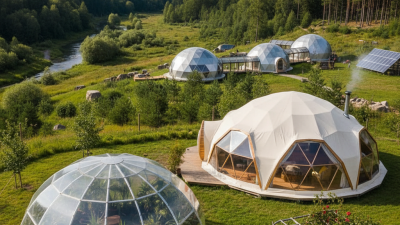
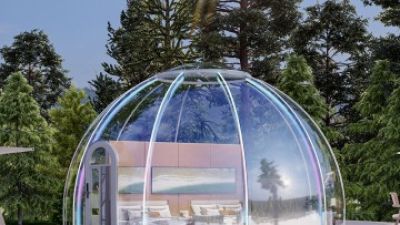
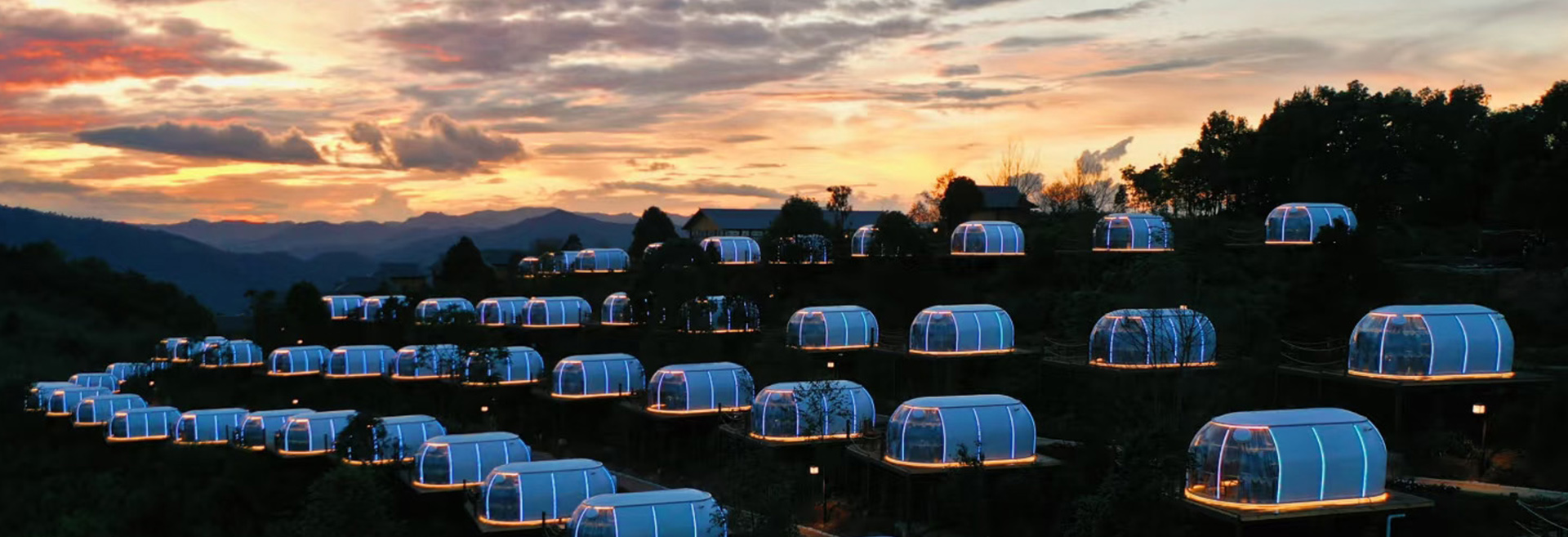
Immerse yourself in the ultimate outdoor experience with the D6.2M Glamping Dome Tent, designed to blend comfort and adventure seamlessly. This spacious dome, covering an impressive 29 square meters, redefines the way we think about camping. With elegantly arranged sleeping areas, it invites you to unwind under the stars without sacrificing the luxuries of modern living. The tent's thoughtful layout ensures ample space for relaxation, allowing you to enjoy the surrounding nature while feeling at home.
What sets this glamping dome apart is its private bathroom, a rare gem in outdoor accommodations. This feature allows you to maintain your comfort and hygiene during your escapade, making it perfect for both couples seeking a romantic getaway and families ready to explore the great outdoors. The thoughtfully designed interior creates a warm and inviting atmosphere, making it an ideal retreat after a day filled with adventure. Step into a realm where nature meets luxury, and create unforgettable memories on your next outdoor getaway.
FAQS
: Moon Dome Houses are innovative homes designed for energy efficiency. They optimize thermal performance, reducing heat loss and overheating.
Moon Dome Houses can lead to up to 40% energy savings compared to conventional homes.
Yes, solar panels can be seamlessly integrated, covering about 70% of household energy needs.
They often utilize recycled and sustainable materials, reducing the carbon footprint by 50% over their lifetime.
Initial construction costs can be high, and zoning laws may restrict building Dome Houses in certain areas.
Some homeowners worry about how Dome Houses fit into traditional neighborhoods and community acceptance.
Modular Dome Houses are designed for flexibility; they can adapt to changing family needs but may not suit every lifestyle.
Yes, finding skilled labor for these unique designs can be challenging and can lead to project delays.
Regular assessment is necessary to maintain durability and maximize long-term energy efficiency benefits.
It requires awareness and education, as adopting sustainable practices may need effort and creative solutions.
Conclusion
The Moon Dome House represents a revolutionary approach to sustainable living, integrating unique architectural concepts that emphasize eco-friendliness and energy efficiency. Key features of this innovative housing solution include its capacity for renewable energy integration and the use of sustainable materials, which collectively contribute to a reduced carbon footprint. By prioritizing these elements, Moon Dome Houses not only minimize environmental impact but also promote community building and social sustainability among residents.
However, implementing Moon Dome House designs presents challenges that necessitate creative solutions. Addressing issues related to construction techniques, cost, and community acceptance is crucial for the widespread adoption of this sustainable living model. Overall, the Moon Dome House stands as a promising example of how architectural innovation can lead to a more sustainable future, aligning with the growing demand for eco-friendly lifestyle options.
 +86 159 8678 2622(WhatsApp)

 Project