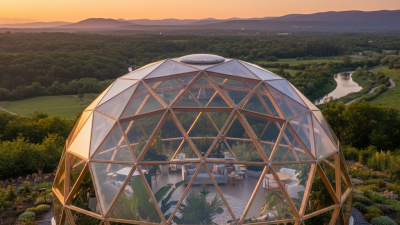
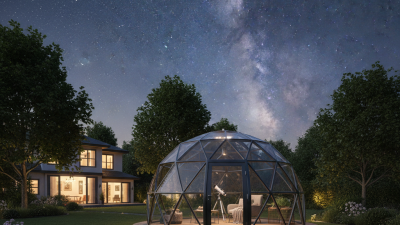
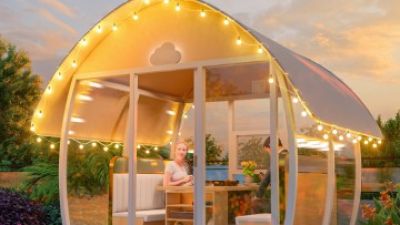
China has really started to make a name for itself in the Luxury Glamping scene. They're known for these super innovative factories that are totally changing the game when it comes to outdoor hospitality. If you ask Richard Leach, a well-known expert and consultant in luxury outdoor experiences, he’d say something like, "China’s glamping scene is really mixing nature and luxury in a way you just don’t see anywhere else." Honestly, it’s this cool combo that makes for a pretty unforgettable experience—imagine cozy nights under the stars, but with all the comforts you want. It’s really tempting for travelers who want the best of both worlds: adventure and comfort.
But, yeah, it’s not all smooth sailing. There are some hurdles too. Producing top-notch quality and coming up with creative designs are pretty much essentials if these glamping spots want to succeed. A bunch of factories are trying to keep things eco-friendly and build unique structures, which is awesome, but striking that perfect balance between luxury and sustainability isn’t always easy. Sometimes, the materials they use aren’t consistent, and that can affect how guests experience their stay.
All in all, China’s push to develop high-quality luxury camping spots is opening up some serious international competition. Some sites are really thriving, but others might just fade away as a passing trend rather than becoming sustainable businesses. To really stay on top, they need to focus on quality, creativity, and making sure guests leave happy. It’s an exciting industry to watch, with a lot of potential for the future.
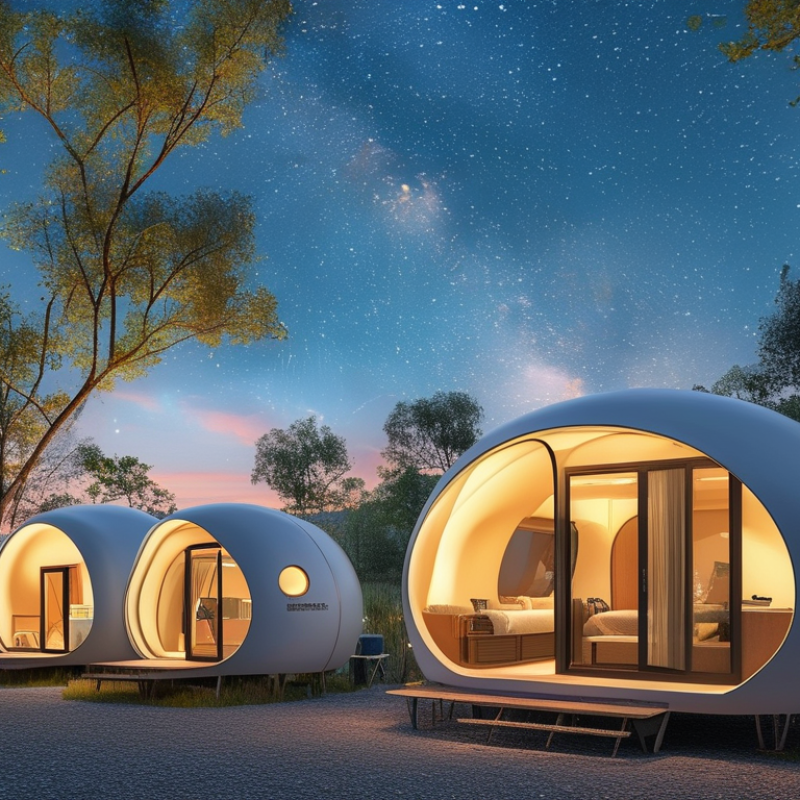
Understanding the Concept of Luxury Glamping in Hospitality
Luxury glamping has become a prominent trend in the hospitality industry, particularly within China. The blend of nature and comfort appeals to travelers seeking unique experiences. Reports indicate that the global glamping market is projected to reach USD 3.2 billion by 2027, growing at a CAGR of 12.7%. This growth highlights the increasing demand for luxurious outdoor accommodations.
Understanding luxury glamping involves appreciating both the design and the experience. Accommodations often include high-end tents, yurts, and treehouses, equipped with modern amenities. Many sites are strategically located near national parks or scenic spots, enhancing the guest experience. The focus on sustainability also stands out, as eco-friendly practices continue to gain traction. However, some establishments struggle to maintain high standards while ensuring a genuine connection with nature.
Tip: When choosing a glamping site, look for those that prioritize unique local experiences, such as guided hikes or cultural activities.
Consumers increasingly seek tailored experiences. A study found that 78% of travelers consider the quality of experience more important than the price. This shift has prompted many operators to invest in personalized services. However, the challenge remains in balancing luxury with authenticity. Ensuring that every detail resonates with the natural environment can be troublesome.
Tip: Engage with reviews and testimonials to find sites that genuinely deliver on their promises.
Historical Evolution of Glamping in China
Glamping in China has transformed from a niche leisure activity to a booming segment in the hospitality sector. The term “glamping” blends glamour with camping, offering comfort in natural settings. Historically, the idea originated with the nomadic tribes of Mongolia, who used luxurious yurts. This concept later influenced luxury camping experiences in other regions.
In recent years, China's tourism industry witnessed a surge in glamping sites, particularly in scenic areas. The appeal lies in blending nature with modern comforts, attracting urban dwellers seeking unique experiences. Many resorts offer lavish tents, gourmet meals, and spa services. However, challenges remain. The sustainability of these practices can be questionable. Overcrowding can undermine the very essence of nature-driven escapes. This raises important questions about balance between luxury and environmental impact.
As glamping evolves in China, it reflects broader trends in travel and leisure. There's a growing desire for immersive experiences. However, ensuring that these advancements do not lead to nature's degradation is crucial. Tourists must also reflect on their choices. Are they truly respecting the environments they explore, or just reaping the benefits of luxury camping? Balancing indulgence with responsibility is key to the future of glamping in China.
Key Features of Luxury Glamping Experiences
Luxury glamping is redefining the hospitality experience in China. These luxurious camping accommodations blend comfort and nature. Visitors can choose from various stunning locations, from serene mountains to lush forests. Each Luxury Glamping Tent is designed to provide a unique perspective of the surrounding landscape. The tents feature cozy beds, elegant furnishings, and modern amenities, creating a lavish yet immersive experience.
Enjoying nature doesn’t mean sacrificing comfort. Some tents even come with private bathrooms and gourmet meals prepared by renowned chefs. Unique activities like guided hikes or stargazing enhance the adventure further. However, luxury glamping is not without challenges. Maintaining the balance between luxury and environmental impact requires careful consideration.
Tips for choosing the right glamping site: Look for eco-friendly practices. Research the local environment and how it influences the glamping experience. Consider your personal comfort since not all tents are created equal. A great luxury glamping trip blends relaxation with adventure, but it’s important to ensure that the chosen site aligns with your expectations.
China's Role in the Global Luxury Glamping Market
China has emerged as a significant player in the global luxury glamping market. Its factories produce high-quality
Glamping Luxury Tents
that meet diverse consumer demands. These tents combine comfort with the great outdoors, attracting travelers who seek unique experiences. The blend of traditional craftsmanship and
modern technology is one reason for China’s success.
The growth of this industry reflects China’s expansive manufacturing capabilities. Many local artisans focus on eco-friendly materials,
aligning with global sustainability trends. However, there are challenges. Some manufacturers struggle with quality control and
transparency. This inconsistency can affect the brand image of glamping in China.
Additionally, the market is evolving rapidly. Some factories innovate new designs while others stick to conventional styles. Not all tourists are satisfied with their experiences.
Poor service at some glamping sites has led to criticism. As China continues to develop, addressing these issues is crucial for sustaining its reputation in luxury glamping.
Factors Driving the Growth of Glamping Factories in China
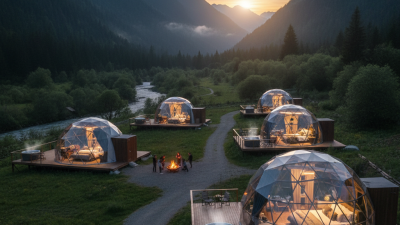
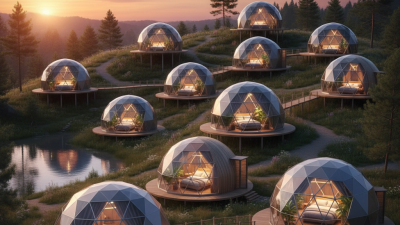
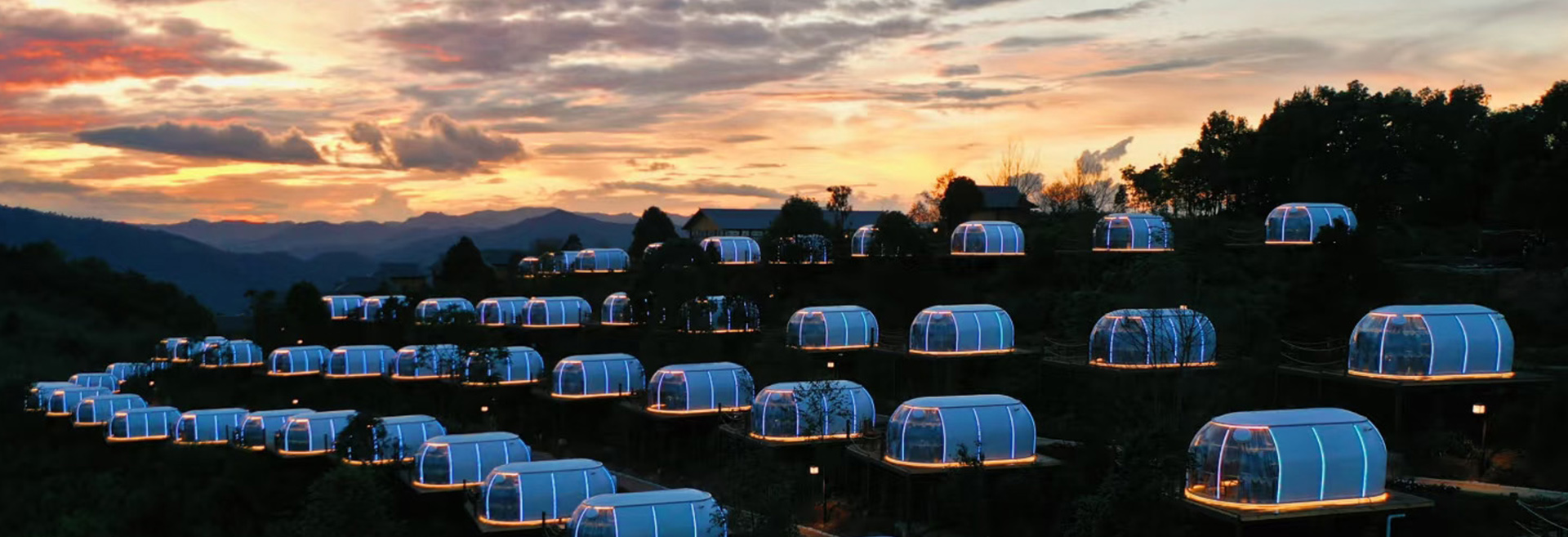
China has emerged as a leader in the glamping industry, particularly with Luxury Dome Glamping. Various factors drive this growth.
The booming middle class, estimated to reach 550 million by 2025, craves unique travel experiences. This demographic seeks more than just hotels; they desire immersive stays in nature. Reports indicate a 30% annual growth in glamping sites, driven by this demand for adventure and luxury combined.
In addition, China's diverse landscapes offer ideal settings for luxury dome glamping. From mountains to lakesides, these picturesque locations attract both domestic and international tourists. A recent market analysis highlighted that 70% of glamping businesses report increased bookings during peak seasons. The appeal of staying in luxurious, climate-controlled domes amidst natural beauty cannot be overstated.
Yet, challenges persist. The industry faces competition from traditional lodging options. Many travelers remain unaware of glamping as a viable alternative. Sustainability concerns also shadow the growth potential. Industry leaders must address these issues to maintain momentum.
Emphasizing eco-friendly practices could help reshape perceptions and attract conscientious consumers.
Innovative Designs and Technologies in China's Glamping Industry
China's glamping industry has become a notable player in the global hospitality sector. Innovative designs and cutting-edge technologies are at the heart of this evolution. The concept of
"Luxury Glamping Dome"
has gained traction, blending nature with comfort. These unique structures often feature eco-friendly materials and smart home technology, appealing to environmentally conscious travelers.
According to a report by Grand View Research, the global glamping market is expected to reach $2.4 billion by 2027, with Asia-Pacific contributing significantly. China's diverse landscape, from mountains to beaches, provides endless possibilities for luxury glamping experiences. However, there are challenges. The trend may be difficult to scale due to varying regulations in different regions and the sustainability of such luxury ventures.
Some glamping sites incorporate local cultural elements, enriching the guest experience. Yet, there’s a fine line between authenticity and commercialization. Travelers often seek genuine experiences, yet many glamping options can feel overly curated. Balancing luxury with authentic experiences remains an ongoing challenge in the industry. As China continues to forge its path in luxury glamping, stakeholders must adapt and innovate while considering the impact on local communities and ecosystems.
The Impact of Luxury Glamping on Sustainable Tourism in China
Luxury glamping in China has rapidly emerged as a transformative force in sustainable tourism. Travelers seek immersive experiences close to nature without sacrificing comfort. This demand has led to the creation of eco-friendly designs and innovative accommodations. Many luxury glamping sites use sustainable materials and technologies, reducing their environmental footprint. Glamping can minimize land disturbance, promoting conservation in beautiful, fragile ecosystems.
However, the rapid growth of this trend raises concerns. Not all developments prioritize sustainability. Attention must turn to how these sites manage waste and resources. Some facilities overlook local cultures and ecosystems, risking over-commercialization. Authentic experiences can become diluted. Ideally, glamping should enhance local communities and educate visitors about preservation. Striking a true balance is essential to genuinely benefit both travelers and the environment.
China's luxury glamping landscape showcases potential and pitfalls. It highlights a growing awareness of sustainable practices while inviting scrutiny. Creating lasting positive impacts requires intentionality and responsibility. The journey toward truly sustainable luxury glamping is ongoing, and all stakeholders must remain vigilant. Engaging with local communities and respecting ecosystems are crucial for future success.
Creating a Perfect Outdoor Dining Experience with a 4-6 Person Luxury Dining Hall
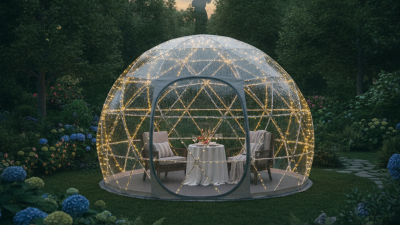
Transform your outdoor gatherings into a lavish culinary experience with the Yacht Series Luxury Outdoor Dining Hall. This exceptional dining solution seamlessly blends elegance with innovation, providing an enticing atmosphere for 4-6 people. Envision enjoying delightful meals while immersed in a dome-shaped space that not only shelters you from the elements but also enhances the beauty of your terrace or rooftop area.
Crafted from a modern aluminum alloy and a sturdy PVC cover, this unique dining hall redefines outdoor dining beyond a mere meal. It creates a warm and inviting environment where friends and family can come together to savor exquisite dishes amidst an aesthetically pleasing backdrop. The design prioritizes both durability and style, ensuring that your outdoor dining experiences are comfortable and memorable, regardless of the occasion. Embrace the luxury of dining beneath the stars or in the gentle breeze with this innovative solution, making every meal an occasion to cherish.
FAQS
: Luxury glamping combines comfort and nature, offering unique outdoor accommodations like tents and yurts.
Many glamping sites are near national parks or scenic spots, enhancing the experience with stunning views.
Travelers seek unique experiences. Many value quality experiences over cost, driving demand for glamping options.
Glamping accommodations usually feature modern amenities like gourmet meals, spas, and high-end furnishings.
Not all sites maintain eco-friendly practices and some struggle with sustainability while offering luxurious experiences.
Glamping in China evolved from niche leisure to a booming trend, merging luxury with natural environments.
Overcrowding and maintaining high standards can undermine the natural essence that glamping aims to provide.
Look for sites that provide authentic local experiences and prioritize sustainability in their practices.
Travelers should read reviews and testimonials to ensure the site genuinely delivers a valuable experience.
If not managed well, luxury glamping can lead to environmental degradation, raising concerns for responsible tourism.
Conclusion
The article explores the rise of Luxury Glamping within China’s hospitality industry, tracing its historical evolution and highlighting the unique features that distinguish luxury camping experiences. It delves into China’s significant role in the global luxury glamping market, emphasizing the factors that contribute to the rapid growth of glamping factories across the country. Innovative designs and cutting-edge technologies are also examined, illustrating how these advancements enhance the luxury glamping experience.
Furthermore, the piece discusses the positive impact of luxury glamping on sustainable tourism in China, showcasing how this trend can promote environmental responsibility while providing visitors with an extraordinary way to connect with nature. As luxury glamping continues to evolve, it presents a promising avenue for both tourism and sustainable development in the country.
 +86 159 8678 2622(WhatsApp)

 Project