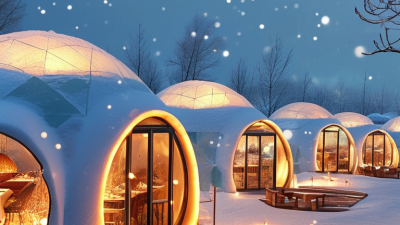
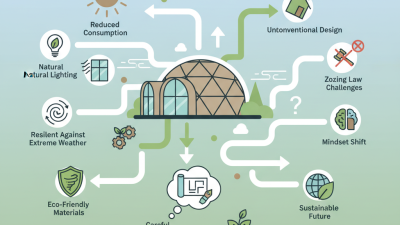
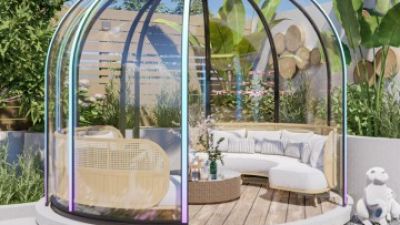
By 2026, you’ll see clear geodesic domes popping up in all sorts of places — not just in science museums or fancy resorts anymore. Homeowners, event organizers, teachers, and hospitality folks are using these transparent, eye-catching structures for gardens, studios, cozy dining spots, and seasonal rentals. And honestly, they catch your eye right away: those big, panoramic views, the sturdy geometric frames, and the way daylight shifts throughout the day make them pretty irresistible.
But here’s the thing — pricing isn’t just about square meters. It depends on so many factors: the materials of the frame, the type of panels, the size or diameter, insulation options, ventilation, doors, flooring, plus shipping and setup costs. A small dome covered in PVC might cost a fraction of what an insulated glass one with custom connectors would. And you’ve gotta keep the weather in mind, too. Things like snow loads, strong wind, UV exposure, and condensation can all impact the final price and what’s realistic for your area.
Remember Buckminster Fuller, the guy who pioneered geodesic design? He used to say, “Doing more with less.” That idea still holds true when choosing a dome. The lightest, cheapest option isn’t always the smart move. For example, a cheaper covering might turn yellow, flap around in the wind, or need replacing sooner than you'd like. On the flip side, investing in a higher-quality system can cut down on maintenance—if the materials actually suit your local conditions.
This guide takes a look at what you can expect to pay for a Clear Geodesic Dome in 2026, along with details on how they’re built, questions to ask suppliers, and ongoing ownership costs. We also help you sift through the marketing jargon so you can spot what’s genuinely useful versus what’s just fancy talk. Heads up: estimates can vary quite a bit because shipping costs, labor, and regional building rules differ a lot. Setting a perfect budget isn’t easy, but if you measure carefully, get written warranties, and plan your install realistically, it’ll help make your decision way clearer and less stressful.
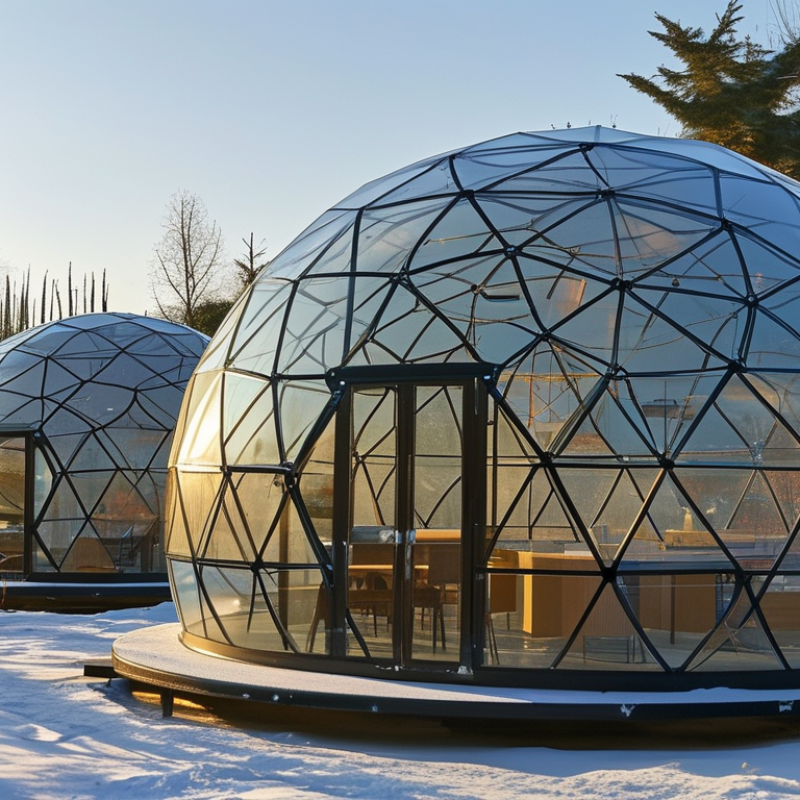
What Is a Clear Geodesic Dome?
2026 Best Clear Geodesic Dome Price and Buying Guide
A clear geodesic dome is a rounded structure built from connected triangular panels. Its frame distributes pressure across many points, improving stability compared with a simple curved shelter. Transparent panels may use polycarbonate, acrylic, PVC, or glass. Each material changes the dome’s weight, insulation, clarity, and price. Polycarbonate usually offers strong impact resistance, while glass provides sharper visibility but demands heavier framing. The shape feels spacious. Light changes everything.
From practical installation experience, a clear dome needs more than attractive panels. Check the frame diameter, connector quality, panel thickness, UV protection, and waterproof seals. A reliable model should also include planned ventilation, because sunlight can raise interior temperatures quickly. In colder areas, ask about snow-load ratings and ground anchoring. Coastal buyers should inspect corrosion resistance. These details often influence the final price more than the dome’s advertised size.
A buying decision should include transport, assembly, flooring, heating, and local approval requirements. Some sellers quote only the shell, leaving doors, vents, and interior fittings outside the package. That can make a low price misleading. Clear surfaces also create glare, condensation, and cleaning work. I would request technical drawings, warranty terms, replacement-panel availability, and tested wind ratings before paying. One weakness remains easy to overlook: a transparent dome can look comfortable while becoming too hot or too cold inside. A small demonstration or site inspection may reveal problems that product photos hide.
Key Features and Benefits of Clear Geodesic Domes
Clear Geodesic Domes: Key Features and Benefits for 2026
Clear geodesic domes combine panoramic visibility with a triangulated frame. Their repeated panels distribute loads more evenly than many conventional curved structures. This matters in windy or snow-prone locations, although engineering calculations remain essential. The International Energy Agency reports that buildings consume about 30% of global final energy. Therefore, daylighting can reduce daytime lighting demand when glazing, orientation, and shading work together. A transparent roof can also create a bright, open interior, with views of trees, rain, or stars.
Material choice strongly affects price. UV-resistant polycarbonate usually offers better impact resistance than basic PVC film. Multi-layer panels can improve insulation, but they may reduce visual clarity slightly. Check the frame coating, connector strength, ventilation design, and replacement-panel availability. The U.S. Department of Energy identifies daylight control and solar heat management as important building-performance factors. Clear does not always mean comfortable. Without vents or external shade, summer interiors can become greenhouse-hot. I once underestimated afternoon glare; it made the space beautiful, but difficult to use.
Tips: Request tested wind and snow-load figures, not general claims. Compare the full installed cost, including anchoring, flooring, ventilation, and local preparation. Ask for solar-transmittance and thermal-performance data. The best dome is not simply the clearest one. It balances light, strength, airflow, maintenance, and climate.
Clear Geodesic Dome Price Factors in 2026
In 2026, the price of a Geodesic Clear Dome depends more on specifications than appearance. A small 6-meter structure may cost about $8,000 to $18,000, while a larger insulated dome can exceed $60,000. These figures usually exclude foundations, electrical work, shipping, and local installation.
Material choice changes the quotation sharply. Multiwall polycarbonate costs more than thin acrylic but offers better insulation and impact resistance. ETFE cushions may reduce structural weight, yet require specialized fabrication. The Turner Building Cost Index reported a 4.4% annual construction cost increase in 2024. That trend can affect steel tubing, connectors, labor, and concrete bases in 2026. Transport is often underestimated.
Site conditions matter greatly. High-wind or heavy-snow areas need stronger frames and engineered anchoring. A coastal site may require corrosion-resistant fittings. Ventilation, shading, heating, and interior flooring can add 20% to 40% to the initial shell price. Energy performance also deserves attention. The International Energy Agency reported continued reductions in solar technology costs, but installation and storage still create major expenses.
Ask for a complete bill of materials. Request separate prices for the shell, frame, doors, foundation, delivery, and assembly. Check wind and snow calculations from a qualified engineer. I would not trust an unusually cheap quote. Real projects are messier. Even experienced buyers miss drainage and condensation details. Include a 10% to 15% contingency, because final site costs rarely remain perfectly predictable.
Popular Sizes, Materials, and Structural Options
In 2026, clear geodesic dome prices vary with diameter, glazing, frame strength, and installation requirements. A 4–6 meter Clear Geodesic Dome Tent may cost about $3,000–$9,000. Larger 8–12 meter models can exceed $15,000. These figures are indicative, not fixed quotes. Shipping, flooring, doors, and local engineering reviews can change the final amount.
Popular sizes serve different purposes. Smaller domes work well for private dining, garden retreats, and compact event spaces. Medium domes provide better circulation for tables, lighting, and heating equipment. Large structures need careful foundation planning and stronger connections. Galvanized steel offers high strength and corrosion resistance. Aluminum reduces weight and simplifies assembly. Transparent PVC usually costs less, while ETFE cushions or rigid panels may provide better light transmission and durability.
The structural choice deserves close inspection. Frame-based domes are easier to repair and relocate. Air-supported designs can create open interiors, but they require continuous power and backup planning. Check wind and snow ratings before comparing prices. Ask for material thickness, UV protection, fire-performance documents, and connection drawings. A clear roof can become extremely hot at midday. Ventilation, shading, and condensation control are not optional details. Some low-cost packages look attractive online, yet their anchors may be inadequate for exposed sites. I would also allow extra budget for imperfect ground conditions, because real installation rarely matches a perfectly level illustration.
How to Choose the Right Clear Geodesic Dome
Choosing the right Outdoor Clear Geodesic Dome starts with its purpose, not its appearance. Decide whether you need a private garden room, event shelter, greenhouse, or seasonal retreat. Measure the available ground carefully. A dome that looks spacious online may feel tight after adding chairs, tables, and heating equipment.
Check the frame material, panel clarity, UV resistance, ventilation, and drainage design. Ask for tested wind and snow-load information from a qualified engineer. Local permits may also apply. Clear panels should include reliable seals, especially in areas with heavy rain or freezing temperatures. Price depends on diameter, frame strength, transparent panel quality, insulation, doors, and installation. Request a complete quotation, including delivery and anchoring. Hidden costs can change the budget quickly.
Tips: Compare usable floor space, not only diameter. Inspect sample panels in daylight. Confirm replacement-part availability. Ask how condensation is managed. Check the warranty terms carefully. A cheaper dome may need more maintenance. That matters. My practical view is slightly cautious: beautiful transparency can increase heat gain and cleaning work. A ventilation fan, shaded entrance, and washable floor may be more valuable than decorative upgrades. Leave room for uncomfortable realities, such as muddy shoes, noisy rain, and difficult winter access.
2026 Best Clear Geodesic Dome Price and Buying Guide
Compare indicative 2026 prices for clear geodesic dome kits by diameter. These planning ranges represent transparent dome structures with basic framing and covering, excluding land preparation, shipping, installation, HVAC, electrical work, taxes, and interior furnishings.
Larger domes usually cost more because they require additional structural members, thicker or more durable coverings, stronger doors, and more complex shipping and installation. For a fair comparison, confirm the dome diameter, cover material, wind and snow-load rating, insulation, ventilation, warranty, delivery terms, and whether the quoted price includes installation.
Installation, Maintenance, and Weather Protection
2026 Best Clear Geodesic Dome Price and Buying Guide
Installation quality often matters more than the panel material.
A dome needs a level foundation ring, correctly spaced anchors, and controlled bolt torque. According to ASCE 7-22, wind and snow loads depend on location, building use, exposure, and risk category. One universal weather rating is not credible. Ask for stamped structural calculations before comparing prices.
Seal it carefully.
Gaskets, flashing, and drainage channels prevent small leaks from becoming interior damage. In coastal areas, FEMA P-55 recommends corrosion-resistant connectors and moisture-resistant construction details. Clear panels also need verified UV protection, because sunlight can weaken some plastics and discolor seals. For hurricane-prone sites, ASTM E1886 and ASTM E1996 testing may include a 9-pound, 2-by-4 missile traveling at 34 feet per second. That test is serious, but it does not make every dome storm-proof.
Maintenance should be practical, not decorative.
Inspect fasteners twice yearly, especially after heavy wind, snow, or hail. Remove leaves from the base channel. Wash panels with mild soap, soft water, and non-abrasive tools. Never assume a clear surface is maintenance-free. A neglected seal can raise heating and cooling costs through air leakage; the U.S. Department of Energy identifies air sealing as a major efficiency measure in buildings. Price comparisons should include replacement gaskets, access equipment, ventilation controls, and local installation labor. The cheapest quote may omit them. That assumption deserves a second look.
Where to Buy a Clear Geodesic Dome in 2026
In 2026, the safest place to buy a Clear Dome is through a verified manufacturer or experienced local installer. Their websites should show material specifications, assembly drawings, warranty terms, and recent project photos. Avoid listings that only provide attractive images and a single low price. Ask whether the panels are UV-resistant, impact-rated, and suitable for your local climate.
Specialized outdoor structure directories can help compare suppliers, but every seller still needs independent checking. Request a written quotation covering the frame, transparent panels, doors, ventilation, anchors, delivery, and installation. A clear dome for a garden retreat may need different specifications from one used for hospitality or commercial events. Confirm snow, wind, drainage, and foundation requirements with a qualified local professional.
Check carefully.
I once underestimated the real cost of transport and ground preparation when comparing large structures. That mistake made the cheapest offer less attractive. The same issue can happen with replacement panels or missing hardware. Before paying, inspect the company’s business registration, customer references, technical support, and return conditions. Ask for a sample panel if possible. It reveals clarity, thickness, flexibility, and surface quality better than online photographs. Local regulations may also affect placement, electrical work, occupancy, or temporary use, so confirm requirements with the relevant authority before ordering.
8–9 PPL Clear Bubble Dome for Restaurant Terraces: Features, Benefits, and Buying Guide
A clear 8–9 PPL bubble dome can transform a restaurant terrace into a distinctive, weather-conscious dining area. With approximately 9.6 square meters of usable space, it provides room for one large table or several smaller arrangements while preserving an open view of the surrounding setting. The transparent cover allows daylight and scenery to remain central to the experience, while the enclosed structure helps reduce the impact of wind, light rain, and cool temperatures. For restaurants seeking additional seating without permanent construction, its flexible footprint can support seasonal or year-round terrace service.
The business case is also compelling. The National Restaurant Association’s *2024 State of the Restaurant Industry* report projected U.S. restaurant sales to exceed $1 trillion, highlighting the importance of creating attractive, capacity-enhancing dining environments. A private dome can support premium reservations, themed dining, and more consistent terrace utilization during shoulder seasons. When comparing options, buyers should examine the dome’s internal dimensions, ventilation, entrance width, transparent material, frame strength, anchoring system, lighting compatibility, and cleaning requirements. Check whether the design allows safe placement of tables, heaters, and service equipment without restricting circulation.
Operational details matter as much as appearance. Select a model with clear installation instructions, replaceable components, reliable weather resistance, and sufficient ventilation for guest comfort. A well-planned 8–9 person dome should balance visibility, privacy, accessibility, maintenance, and efficient staff movement while complementing the restaurant’s existing terrace layout.
FAQS
: A small six-meter dome may cost $8,000 to $18,000. A larger insulated dome can exceed $60,000. These prices often exclude foundations, wiring, shipping, and local installation.
Multiwall polycarbonate usually costs more than thin acrylic. It offers better insulation and impact resistance. Lightweight cushion systems may reduce frame loads but require specialized fabrication. Material savings can disappear quickly.
High winds and heavy snow require stronger frames and deeper anchoring. Coastal sites may need corrosion-resistant fittings. Uneven ground can require additional foundation work. Real sites vary.
Ventilation, shading, heating, and flooring may add 20% to 40% to the shell price. Drainage channels and condensation control also deserve attention. They are easy to overlook.
Request separate prices for the shell, frame, doors, foundation, delivery, and assembly. Ask whether taxes, permits, wiring, and equipment access are included. A low quote may simply omit difficult work.
Ask for location-specific wind and snow calculations from a qualified engineer. The design should reflect exposure, building use, and local risk levels. One universal weather rating is not convincing.
The foundation ring must be level, with accurately spaced anchors. Bolts need controlled tightening. Gaskets, flashing, and drainage paths help prevent leaks. Small installation errors can create expensive interior damage.
Inspect fasteners twice yearly, especially after storms, hail, or heavy snow. Remove leaves from the base channel. Wash panels with mild soap, soft water, and non-abrasive tools. Clear surfaces are not maintenance-free.
Set aside 10% to 15% for unpredictable site costs. Include replacement seals, access equipment, ventilation controls, and local labor. I would not trust an unusually cheap estimate. That assumption needs review.
Conclusion
This 2026 guide explains what a Clear Geodesic Dome is and why its transparent, geometric structure is increasingly used for events, hospitality, recreation, education, and private outdoor spaces. It reviews the main benefits, including panoramic views, efficient use of space, distinctive appearance, natural daylight, and potential protection from changing weather conditions. Readers will also learn how price is influenced by diameter, frame material, transparent panels or coverings, insulation, doors, ventilation, flooring, lighting, customization, shipping, and installation requirements.
The guide compares popular sizes and structural options, helping buyers select a dome according to capacity, location, climate, intended use, and budget. It also covers essential installation planning, regular cleaning, inspections, ventilation, anchoring, snow and wind protection, and seasonal maintenance. Finally, it offers practical advice on evaluating specifications, warranties, delivery services, safety features, and seller support when choosing where to buy a Clear Geodesic Dome in 2026.
 +86 159 8678 2622(WhatsApp)

 Project