Picking out the best Camp Dome Tent in 2026 isn’t just about comparing prices or scrolling through bright, eye-catching product photos. You gotta think about real-world camping conditions—like wind, rain, condensation, how compact it is when packed up, and how long it actually takes to set up the darn thing.
Back in 2024, the KOA North American Camping Report showed there were around 57.8 million camping households in the U.S. during 2023. And the Outdoor Industry Association’s data points to steady growth in outdoor recreation participation. All that adds up to a clear message: people need practical shelter, not just trendy gear. So, when you're looking at a Camp Dome Tent, make sure it’s got solid geometry, good waterproofing, decent ventilation, and enough height inside so you can change clothes comfortably.
Andrew Skurka, a well-known outdoor gear expert, often says, “Choose gear for the conditions you will actually face, not the ones you wish for.” Honestly, that advice is spot-on here. A lightweight two-person dome tent might work perfectly on a dry summer weekend, but if it rains cats and dogs for three days, you might find it pretty cramped. Sure, a bigger family tent can boost comfort, but then it might be heavier and trickier to carry around.
So, don’t just glance at hydrostatic head ratings, seam construction, pole materials, vestibule space, or repair options—dig a little deeper. Check out independent reviews from places like OutdoorGearLab, REI Co-op, or what the manufacturers themselves say. Keep in mind, reviews aren’t perfect. Some testers only use tents for a night or two, so they might miss issues like fabric fatigue that show up after longer use.
This guide compares the top Camp Dome Tent options for different kinds of campers, climates, and budgets. But let’s be real—you won’t find one perfect model for everyone. That would be way too convenient but also totally inaccurate. The best pick really depends on your specific needs—like your route, the kind of weather you’ll face, how you sleep, and how much hassle you’re willing to tolerate during setup.
What Defines a Camp Dome Tent?
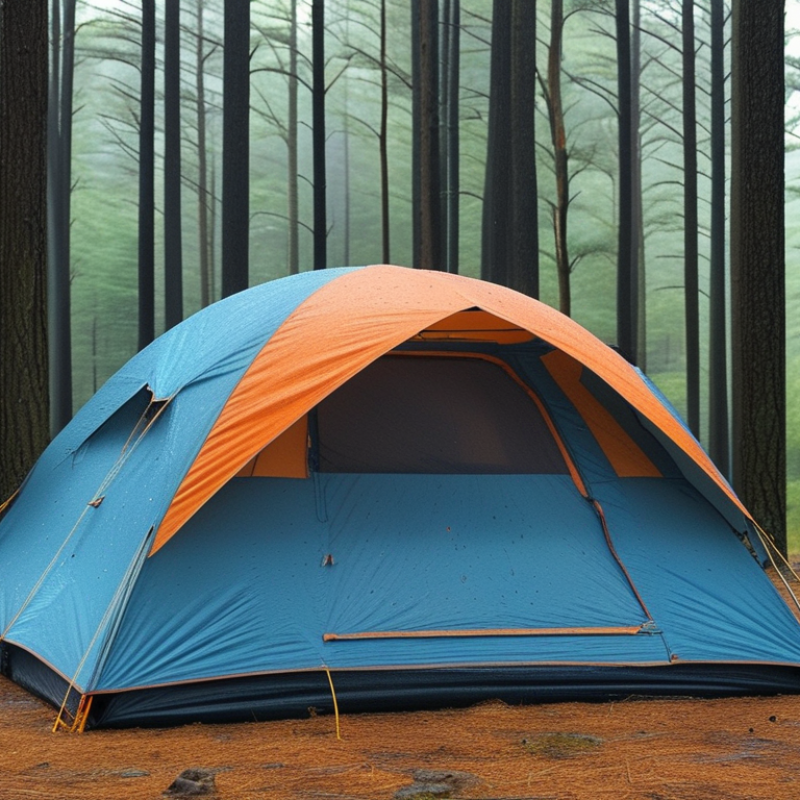
A camp dome tent is defined by its rounded structure, not by a fashionable name. Flexible poles cross above the sleeping area, creating a self-supporting frame. This shape spreads wind pressure more evenly than a flat wall. It also sheds rain efficiently when the fabric is tensioned correctly. In practical use, a good dome should remain stable after repeated setup, not only during a calm afternoon. The floor should feel firm beneath your knees. Small details matter.
The outer flysheet protects the inner sleeping space from rain and condensation. A breathable inner tent reduces the damp feeling caused by warm breath. Ventilation openings should sit high enough for hot air to escape. I have found that low vents alone rarely prevent moisture on cool mornings. The entrance should open widely, especially when moving sleeping bags or cooking equipment outside. Check the zippers with cold hands. They may feel different then.
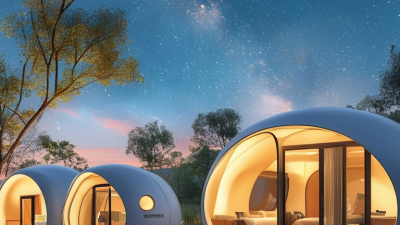
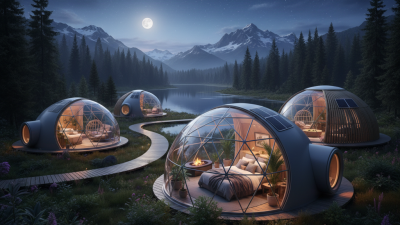
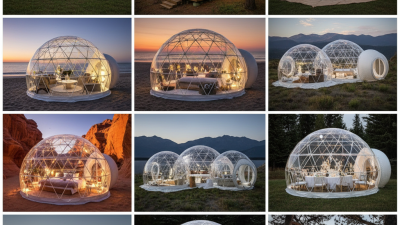
When choosing a model, inspect pole joints, seam sealing, floor height, and packed weight. A larger dome is comfortable, but it can become awkward on narrow trails. A compact design may suit short trips better, though two people can quickly outgrow it. The Camp Verde Bubble Tent concept suggests a dome with a more open viewing experience, but appearance should not replace weather protection. Ask how the fabric performs in strong rain, how easily the frame can be repaired, and whether replacement parts are available. I still think many buyers focus too much on clear windows and too little on airflow.
How Tent Size and Capacity Affect Your Choice
How to Choose the Best Camp Dome Tent in 2026?
How Tent Size and Capacity Affect Your Choice
Choosing the best camp dome tent begins with honest space planning. A tent rated for four people may fit four sleeping bags, but little else. I learned this during a rainy weekend when our packs blocked the doorway. The advertised capacity was accurate, yet comfort was not. For two campers, a three-person model often provides better room for clothing and cooking equipment. Families may need a six-person tent, especially when children cannot organize their gear neatly.
Measure more than sleeping space. A wider floor allows elbows to move freely, while extra headroom makes changing clothes easier. Dome tents with steep walls usually provide more usable interior space than low, sharply sloped designs. Check the packed dimensions too. A large shelter can become frustrating when it barely fits your vehicle or storage area. Small details matter.
Consider the season and the people sharing the tent. A couple planning a Luxery Camp weekend might prefer a spacious four-person tent with separate vestibule storage. Backpackers may choose a smaller shelter to reduce weight. Ventilation is equally important, because crowded tents collect moisture quickly. Leave room for airflow around sleeping bags. I sometimes choose more capacity than necessary, then regret the added weight during setup. That trade-off deserves careful thought before purchase.
Which Materials and Weather Features Matter Most?
How to Choose the Best Camp Dome Tent in 2026?
Material choice affects comfort, safety, and durability in changing weather. Polyester resists ultraviolet damage better than nylon, while nylon often weighs less and packs smaller. Look for ripstop fabric and a strong denier rating. However, thicker fabric can increase weight quickly. I once preferred the lightest shelter, then regretted it during continuous rain.
Waterproof ratings deserve careful reading. A higher hydrostatic-head figure helps, but it does not guarantee a dry interior. Check for fully sealed seams, a bathtub-style floor, and a rainfly that extends beyond the inner tent. ISO 5912:2022 outlines safety and performance requirements for camping tents. Use it as a quality reference, not as a substitute for field testing.
Weather design matters most in exposed campsites. Aluminum poles usually offer better strength-to-weight performance than fiberglass. A crossed-pole dome handles wind more reliably, especially with secure guy points. Ventilation panels reduce condensation when wet clothing dries inside. The National Oceanic and Atmospheric Administration recorded 27 billion-dollar weather and climate disasters in the United States during 2024, showing why flexible weather protection matters. The Outdoor Industry Association also reported 175.8 million outdoor recreation participants in 2023. More users mean more varied camping conditions. I would still inspect pole joints, zippers, and seam tape personally. Manufacturers can measure fabric, but forests remain unpredictable.
How to Compare Stability, Ventilation, and Interior Comfort
Choosing the best camp dome tent in 2026 requires more than counting poles or reading star ratings. Stability, ventilation, and interior comfort should be tested together.
ISO 5912:2022 evaluates camping-tent safety, performance, and usability. Check whether the tent uses strong pole intersections, reliable guy points, and a low, tensioned profile. A dome that flexes slightly may survive gusts better than a rigid design. Still, no recreational tent should replace weather judgment.
Ventilation controls condensation and sleeping comfort. Look for roof vents, dual doors, fine mesh, and adjustable vents near the floor. The American Lung Association recommends reducing indoor moisture and improving airflow, principles that also apply inside tents. The Outdoor Foundation’s 2024 report recorded 175.8 million American outdoor participants in 2023. More users mean more varied conditions, including humid summer nights and crowded campsites. I once focused too much on waterproof fabric. The result was a damp sleeping bag. That mistake changed my checklist.
Tips:
Test the tent before departure. Sit inside with another person. Check whether elbows touch the walls. Open every vent and observe the airflow. Leave space between sleeping bags and fabric. A 10-centimeter gap can reduce contact condensation. Compare the packed weight, floor dimensions, peak height, and vestibule area. Interior comfort is personal, and published measurements can feel optimistic. Try lying down before buying.
What Setup Methods and Portability Features Should You Check?
When choosing a camp dome tent in 2026, study its setup method before admiring its fabric. A freestanding dome usually needs poles, clips, and a rainfly. It can stand briefly without stakes, which helps on rocky ground. Hub-style frames often assemble quickly, but their joints may feel confusing in cold weather. Practice at home first. Time yourself.
Check whether one person can raise the tent without forcing the poles. Clear color markings, connected pole sections, and wide clips reduce mistakes. I once underestimated this detail and struggled with a fly during strong wind. The tent survived, but my setup was not graceful. A useful design should make the correct method obvious, even when visibility is poor.
Portability depends on more than total weight. Measure the packed length before placing it in a car or storage box. Look for a compression sack, strong carry handles, and separate pole storage. A 2.5-kilogram tent may feel easy on paper, yet awkward straps can make a short trail tiring. When comparing Star Camp Models, check packed dimensions, pole materials, ventilation, and repair support rather than relying on photographs. Short trips expose weak zippers quickly. Also inspect the carry bag after packing; excessive compression can bend poles or damage fabric.
These representative benchmarks compare common dome-tent categories. When choosing a tent, check whether the setup is freestanding or requires stakes, how many poles are used, and whether the packed weight and length are practical for your transport method. Setup time is not an industry-standard measurement, so always verify the manufacturer’s instructions and real-world user feedback.
How to Match a Dome Tent to Your Camping Environment
How to Choose the Best Camp Dome Tent in 2026?
Choosing a Tent Dome starts with the campsite, not the floor area. The 2024 KOA North American Camping Report recorded 57.8 million camping households in 2023. That scale reflects varied conditions, from dry forests to exposed coastal sites. For windy ridges, choose a low-profile dome with strong pole intersections and multiple guylines. Wind changes everything. Test the structure before departure, because a showroom setup hides weak anchoring points.
In wet woodland, prioritize a full-coverage rainfly, sealed seams, and a raised bathtub floor. Keep sleeping bags away from the inner wall, where condensation collects overnight. The Outdoor Industry Association’s 2024 participation report counted 175.8 million outdoor recreation participants in the United States during 2023. More users also mean more crowded, regulated campsites, where compact footprints can matter. A two-person tent may feel comfortable alone, but packed gear quickly steals floor space.
In hot, humid areas, select generous mesh panels and roof vents. In colder terrain, reduce mesh exposure and check whether the fly reaches near ground level. Bring a footprint only when it fits correctly; loose edges can collect rain beneath the shelter. Measure twice. I once trusted a printed capacity rating and ignored vestibule space, which made cooking and storing wet boots awkward. That mistake happens. Weather forecasts also deserve skepticism, so carry stronger stakes than the minimum and inspect every seam before leaving home.
Which Safety, Maintenance, and Budget Factors Complete the Decision?
Choosing a camp dome tent in 2026 requires more than comparing floor size and discount prices. The Outdoor Industry Association’s 2024 Outdoor Participation Trends Report counted 175.8 million U.S. participants. More people are camping, but crowded sites expose weak designs quickly. Check the tent’s stated wind rating, pole structure, waterproof rating, and ventilation openings. Look for materials tested against recognized standards, such as ASTM F2441. Flame-resistant fabric is not fireproof. Never use a stove, lantern, or fuel-burning heater inside the tent. Carbon monoxide can build silently.
Maintenance affects safety and value. After a wet trip, dry every panel before storage. A damp dome can develop mildew within days. Inspect seam tape, zippers, guy lines, and pole joints under bright light. Replace damaged shock cord early. UV exposure also weakens fabric, even when the tent looks clean. The U.S. Consumer Product Safety Commission repeatedly warns about carbon monoxide risks from fuel-burning devices in enclosed spaces. That warning deserves more attention than glossy product photography.
Budget the complete system, not only the tent shell. KOA’s 2024 North American Camping Report recorded 57.8 million U.S. households camping at least once in 2023, making replacement parts and repair services increasingly relevant. Add a footprint, stakes, rain protection, storage bags, and possible pole repairs. A cheaper tent may cost more after two seasons. I once underestimated setup time; that mistake matters when rain starts at dusk. Test the dome at home, including ventilation and packed dimensions. Perfection is unlikely. Careful checking is cheaper.
FAQS
: Check whether it uses poles, clips, and a separate rainfly. Freestanding designs can stand briefly without stakes on rocky ground.
Test this at home before camping. Clear color markings, connected pole sections, and wide clips can reduce mistakes.
Practice setting up in poor visibility and light wind. I once struggled with a rainfly during strong wind, despite knowing the basic method.
Measure the packed length, width, and height. A short storage box may reject a tent that feels lightweight.
Look for strong carry handles, a compression sack, and separate pole storage. Awkward straps can make a short trail tiring.
Check the stated wind rating, pole structure, waterproof rating, and ventilation openings. Flame-resistant fabric is not fireproof.
No. Never use fuel-burning devices inside an enclosed tent. Carbon monoxide can build silently and remain difficult to notice.
Dry every panel completely before storage. Inspect seam tape, zippers, guy lines, and pole joints under bright light.
Include stakes, a footprint, rain protection, storage bags, and possible pole repairs. A cheaper tent may cost more after two seasons.
It helps reveal poor ventilation, slow setup, and awkward packing. Perfection is unlikely. Careful checking is cheaper.
Conclusion
Choosing the best Camp Dome Tent in 2026 starts with understanding how its rounded structure balances space, stability, and comfort. Consider the number of campers, sleeping arrangements, and storage needs before selecting the size and capacity. Pay close attention to fabric strength, waterproofing, seam protection, ventilation, and weather resistance, especially if you expect rain, wind, or changing temperatures. A well-designed dome should remain stable while providing enough headroom and airflow for a comfortable stay.
Your camping environment should guide the final decision. Check the setup process, packed size, weight, poles, carrying system, and whether one person can assemble it efficiently. Safety features such as secure doors, reflective points, strong stakes, and reliable ventilation can improve the camping experience. Finally, compare maintenance requirements and total cost rather than focusing only on the initial price. Cleaning, drying, careful storage, and timely repairs will help extend the tent’s service life and ensure better value over time.
 +86 159 8678 2622(WhatsApp)

 Project