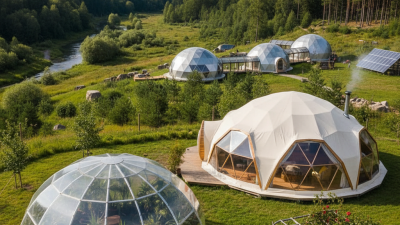
Have you heard about the Desert Dome House? It’s pretty fascinating — this innovative architectural idea is really gaining traction as a sustainable way to house people in dry, arid areas. According to a 2023 report by the International Sustainable Architecture Association, dome homes can cut down energy use by up to half compared to regular homes. And you know what? More and more architects and environmental advocates are actually jumping on board, loving this unique design.
Jonathan Green, a well-respected expert in eco-friendly buildings, says, “The Desert Dome House is a pretty big step forward for sustainability.” That really highlights how important energy efficiency and durability are becoming in today’s architecture game. Plus, the rounded shape isn’t just for looks — it helps the house handle tough weather conditions, which is a big deal when you’re talking desert climates.
That said, it’s not all smooth sailing. Not everyone’s gonna love this look — it’s pretty out there, and definitely not your typical home style. It raises some good questions, like: can we really get everyone to accept such a bold, unconventional design? It’s kind of a conversation starter about balancing practicality and personal taste. Even with all its perks, some might see the Desert Dome House as more of a niche thing rather than mainstream. Still, it really makes us think about how we approach building homes in sensitive environments — it’s definitely a game-changer.
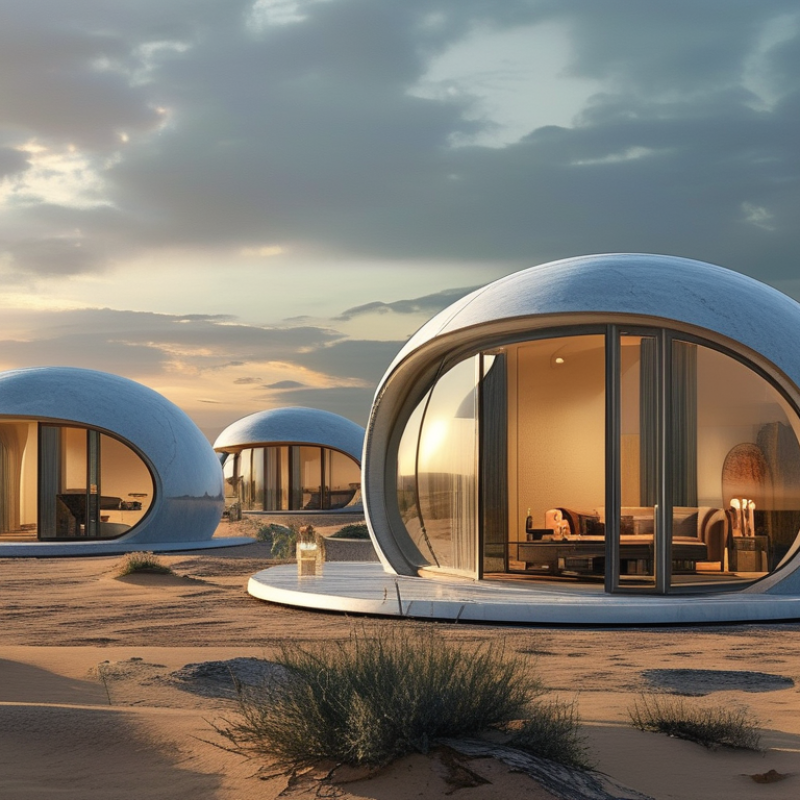
Overview of the China Famous Desert Dome House Product
The China Famous Desert Dome House is an innovative dwelling designed for extreme environments. Built with unique materials, its dome shape allows for efficient heat retention and maximum stability against harsh winds.
This home is particularly popular in arid regions, where traditional housing struggles with temperature extremes.
The dome is made from eco-friendly resources, promoting sustainability. It offers natural insulation, leading to lower energy costs. Its shape also minimizes surface area, decreasing heat loss during cold nights. With large windows, residents enjoy ample sunlight, making the interior bright and welcoming.
Tips for Design:
Consider ventilation when planning. Proper airflow is essential in heat management. Also, think about water collection systems. These homes can often be situated in remote areas, so self-sufficiency is vital. Reflect on your lifestyle needs. Designing for comfort will enhance the living experience significantly.
Historical Background of Desert Dome Houses in China
Desert Dome Houses have a rich history in China, serving both practical and cultural purposes. These unique structures evolved in arid regions, showcasing the strength of traditional architecture. The design allows for effective temperature control, crucial in areas with extreme weather. Studies indicate that structures like the Bubble Tent Desert are gaining popularity due to their energy efficiency and environmental benefits.
Historically, these dome houses reflect the ingenuity of communities adapting to harsh climates. Many dwellings are made from natural materials, emphasizing sustainability. Reports highlight that such designs can reduce energy consumption by up to 50%, which is vital for residents in remote areas. The curvilinear shapes of these buildings not only reduce wind resistance but also create a sense of harmony with the landscape.
However, the modern appeal of the Desert Dome houses is not without its challenges. While they provide advantages, concerns exist about longevity and maintenance. These structures often require specialized knowledge for construction, making them less accessible to some builders. As the demand for unique living experiences grows, revisiting and improving traditional methods remains essential for their future.
Unique Architectural Features of the Desert Dome House
The Desert Dome House stands out with its innovative architectural design. These houses feature a rounded shape, allowing them to withstand harsh desert conditions. The structure provides excellent insulation, keeping interiors cool during the day and warm at night. The unique curvature of the walls creates a spacious feel, maximizing natural light.
In addition to functionality, the Dome House captivates with its aesthetics. The earthy tones blend seamlessly with the desert landscape. Large windows offer panoramic views, drawing the outside in. However, the design may challenge traditional ideas of home. Some may find the shape unconventional or difficult to furnish.
Another interesting aspect is sustainability. Many Dome Houses use eco-friendly materials to minimize their environmental footprint. Rainwater harvesting systems and solar panels are common features. Despite these benefits, the need for regular maintenance raises questions for potential owners. Are they ready for the upkeep? The blend of beauty and practicality makes Desert Dome Houses a fascinating study in modern architecture.
Benefits of Living in a Desert Dome House
Living in a Desert Dome House offers unique advantages. These homes are designed to withstand harsh weather conditions, making them ideal for dry climates. Their rounded shape allows for better wind resistance, reducing the risk of damage during storms. Insulation is another key feature. Dome houses maintain comfortable temperatures year-round, reducing energy costs.
The use of sustainable materials is prevalent in desert dome construction. Many designs incorporate natural elements, promoting a connection with the environment. This approach often leads to lower utility bills, as energy consumption is minimized. However, building in remote areas can pose challenges. Access to resources may be limited, which can complicate the construction process.
The aesthetic appeal of these dome homes is undeniable. Many people find them visually striking and different from conventional houses. However, living in a dome house requires flexibility. Interior layout can be unconventional, demanding creative design solutions. Ultimately, a desert dome house represents a unique lifestyle choice that emphasizes sustainability and innovation.
What is the China Famous Desert Dome House Product and Its Unique Features? - Benefits of Living in a Desert Dome House
| Feature |
Description |
Benefits |
| Energy Efficiency |
Desert dome houses are designed to minimize energy consumption. |
Lower utility bills and reduced carbon footprint. |
| Durable Materials |
Constructed with strong, weather-resistant materials. |
Increased longevity and lower maintenance costs. |
| Space Efficiency |
Open and flexible interior space design. |
Maximizes usable space for various activities. |
| Natural Climate Regulation |
Curved shape helps regulate temperature naturally. |
Comfortable living conditions year-round. |
| Eco-Friendly Construction |
Utilizes sustainable materials and practices. |
Reduces environmental impact and promotes sustainability. |
Sustainability Aspects of Desert Dome Houses
Desert Dome Houses showcase innovative architecture that embraces sustainability. These unique structures are designed to blend seamlessly with their arid environments. Made from eco-friendly materials, their energy efficiency stands out. They often utilize solar energy for power needs. Natural ventilation keeps interiors comfortable without relying on air conditioning. This thoughtful design minimizes the carbon footprint.
Water conservation is another crucial aspect. Desert Dome Houses often feature rainwater harvesting systems. This allows for sustainable water use, vital in dry regions. Additionally, the shape of the dome helps to withstand harsh weather conditions. It supports resilience against both heat and wind. This durability is a key advantage for sustainable living.
While these homes boast unique benefits, challenges remain. The initial construction cost can be high. When adopting the Dome House Prefab concept, potential buyers must consider long-term savings. Education on the maintenance and functionality of these homes is essential. As more people explore eco-friendly living, understanding the intricacies of these structures is vital to their success.
Comparative Analysis with Traditional Housing in Deserts
In the arid landscapes of deserts, traditional housing often struggles with insulation and energy efficiency. Many conventional structures suffer from extreme temperature fluctuations. This is where the Modular Dome House stands out. Its aerodynamic shape offers superior wind resistance, and its unique design minimizes heat loss during chilly nights. Studies show that dome houses can save up to 50% in energy costs compared to traditional buildings.
Traditional desert houses typically use materials like adobe or mud, which can absorb heat. This results in uncomfortably warm interiors during the day. Modular Dome Houses, however, utilize insulated panels that maintain a stable indoor climate. This innovation reflects a growing trend towards sustainability and eco-friendly living, particularly in harsh environments.
However, some challenges remain. The construction requires specialized knowledge and tools. Not all builders are equipped for this modern approach. Additionally, the aesthetic appeal of dome houses might not resonate with everyone comparing to the familiar sights of regular homes. As desert living becomes more popular, these factors will play a crucial role in shaping residents' choices. The Modular Dome House could be a viable solution, but adaptability is key in its acceptance.
Comparison of China Famous Desert Dome House and Traditional Desert Housing
Popular Desert Dome House Models and Designs in China
In recent years, desert dome houses have gained popularity in China. These unique structures blend aesthetics and functionality. Designers have embraced eco-friendly materials. This choice enhances sustainability, which is vital given today's environmental concerns.
Popular models include the Geodesic Dome and the Earthbag Dome. The Geodesic Dome offers excellent insulation and durability. It's an ideal choice for extreme weather conditions. The Earthbag Dome, made from natural materials, provides a rustic touch. Its simple construction makes it accessible for many. These designs attract those seeking unique living spaces.
Tips: When considering a desert dome house, think about location. Orientation affects energy efficiency. Pay attention to the landscape as well. A well-placed dome can maximize natural light and reduce energy costs. However, the building process can be challenging. Seek guidance from professionals familiar with dome architecture. Their expertise can prevent common pitfalls often overlooked by beginners.
FAQS
: These houses withstand harsh weather, provide excellent insulation, and maintain comfortable temperatures year-round.
They use eco-friendly materials and often rely on solar energy for power needs, minimizing energy consumption.
Access to materials can be limited in remote areas, complicating the construction process.
Many find their unique shape striking, differing greatly from conventional houses.
Yes, the interior layout can be unconventional, requiring creative solutions for space use.
They often include rainwater harvesting systems, allowing for sustainable water use in dry conditions.
Yes, it keeps the interiors comfortable, reducing the need for air conditioning.
The initial construction cost can be high, but long-term savings may offset this expense.
Understanding maintenance and functionality is important for longevity and efficiency.
It represents a unique lifestyle choice emphasizing sustainability and innovative living practices.
Conclusion
The Desert Dome House is a remarkable architectural innovation designed to thrive in the harsh conditions of desert environments. Originating from a blend of traditional practices and modern techniques, these structures are characterized by their dome shape, which minimizes wind resistance and maximizes energy efficiency. Historically, their development reflects the need for sustainable living solutions amidst resource scarcity in arid regions.
Living in a Desert Dome House offers numerous benefits, including enhanced thermal insulation and reduced energy consumption, making them a popular choice for eco-conscious individuals. Additionally, their unique design allows for a harmonious integration with the surrounding landscape, promoting a deep connection with nature while providing a comfortable living space. Compared to conventional desert housing, the Desert Dome House stands out for its sustainability and aesthetic appeal, with various models showcasing innovative designs that cater to diverse preferences.
 +86 159 8678 2622(WhatsApp)

 Project